Exercises That Support Recovery After an Ankle Sprain

Gentle exercises play an important role in recovering from an ankle sprain and restoring strength and movement. One common option is the ankle alphabet, where the foot traces letters in the air to encourage controlled motion in multiple directions. Side to side knee swings, performed while seated with the foot flat on the floor, help improve ankle flexibility and ease stiffness without added strain. Towel scrunch exercises focus on strengthening the small muscles of the foot by gripping and pulling a towel with the toes. These movements support balance and stability as healing progresses. Exercises should be done slowly and within a comfortable range. A podiatrist can recommend when to begin these activities and how to progress safely. Proper guidance helps reduce reinjury risk and promotes a more confident return to walking and daily activities. If you have sustained an ankle sprain, it is suggested that you see a podiatrist for a proper diagnosis and treatment, which may include healing exercises.

Although ankle sprains are common, they aren’t always minor injuries. If you need your ankle injury looked at, contact one of our doctors from New England Foot & Ankle . Our doctors can provide the care you need to keep you pain-free and on your feet.

How Does an Ankle Sprain Occur?

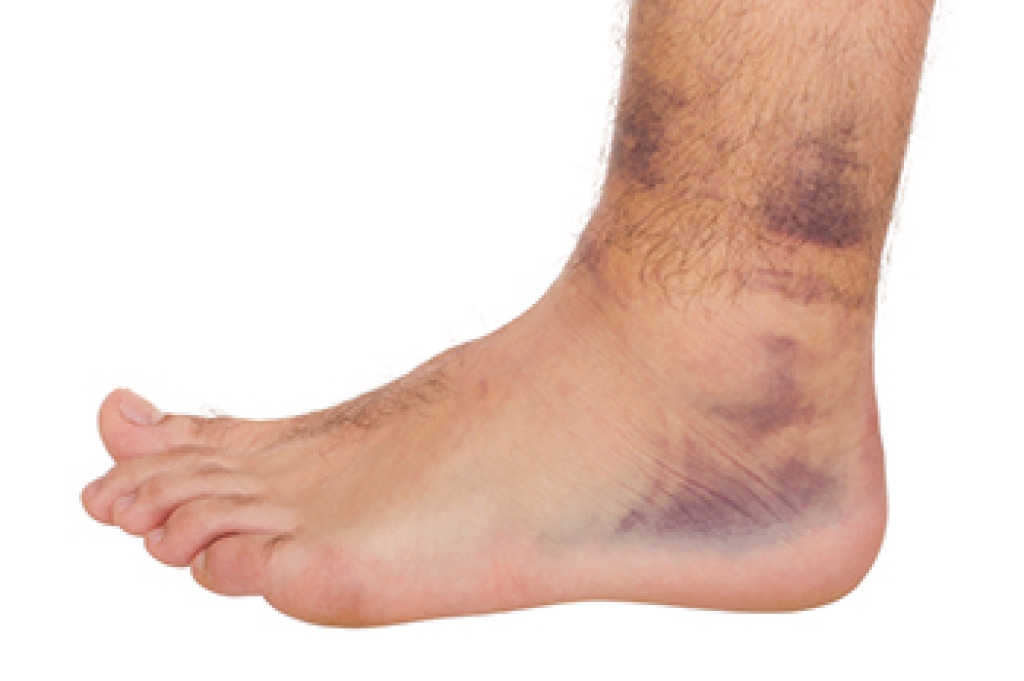
Ankle sprains are the result of a tear in the ligaments within the ankle. These injuries may happen when you make a rapid shifting movement while your foot is planted. A less common way to sprain your ankle is when your ankle rolls inward while your foot turns outward.

What Are the Symptoms?

  • Pain at the sight of the tear
  • Bruising/Swelling
  • Ankle area is tender to touch
  • In severe cases, may hear/feel something tear
  • Skin discoloration

Preventing a Sprain

  • Wearing appropriate shoes for the occasion
  • Stretching before exercises and sports
  • Knowing your limits

Treatment of a Sprain

In many cases, the RICE method (Rest, Ice, Compression, and Elevate) is used to treat ankle sprains. However, you should see a podiatrist to see which treatment option would work best with your injury. In severe cases, surgery may be required.

It is important to ask your doctor about rehab options after you receive treatment for your injury. Stretching, strength training, and balance exercises may help the ankle heal while also preventing further injury.

If you have any questions, please feel free to contact our offices located in Wakefield, MA, Nashua and Derry, NH . We offer the newest diagnostic and treatment technologies for all your foot care needs.

Read more about Ankle Sprains

Stop Your Toenail Fungus

Have you noticed discoloration of your toenails? Have they become thickened or brittle? If so, you may be experiencing symptoms of a fungal nail infection. For some, having a fungal nail can be embarrassing. Overcome your embarrassment, and get treated.

Pros and Cons of Ankle Fusion Surgery

Ankle fusion surgery, also called ankle arthrodesis, is a procedure used to relieve severe ankle pain by permanently joining the bones of the ankle joint. One advantage of ankle fusion is reliable pain reduction, especially for people with advanced arthritis, joint damage, or deformity that limits walking. By eliminating joint motion, the ankle can become more stable and better aligned, which may improve daily function. Fusion is also durable and may last longer than other surgical options in certain cases. However, there are drawbacks to consider. Loss of ankle movement can change walking mechanics and place added stress on nearby joints in the foot, which may lead to discomfort over time. Recovery can be lengthy and often requires a period of limited weight-bearing. A podiatrist carefully evaluates whether the benefits outweigh the risks based on symptoms, activity level, and overall foot structure. If you have ankle problems, it is suggested that you make an appointment with a podiatrist for a full exam and treatment options.

Foot surgery is sometimes necessary to treat a foot ailment. To learn more, contact one of our doctors of New England Foot & Ankle . Our doctors will assist you with all of your foot and ankle needs.

When Is Surgery Necessary?

Foot and ankle surgery is generally reserved for cases in which less invasive, conservative procedures have failed to alleviate the problem. Some of the cases in which surgery may be necessary include:

  • Removing foot deformities like bunions and bone spurs
  • Severe arthritis that has caused bone issues
  • Cosmetic reconstruction

What Types of Surgery Are There?

The type of surgery you receive will depend on the nature of the problem you have. Some of the possible surgeries include:

  • Bunionectomy for painful bunions
  • Surgical fusion for realignment of bones
  • Neuropathy decompression surgery to treat nerve damage

Benefits of Surgery

Although surgery is usually a last resort, it can provide more complete pain relief compared to non-surgical methods and may allow you to finally resume full activity.

Surgical techniques have also become increasingly sophisticated. Techniques like endoscopic surgery allow for smaller incisions and faster recovery times.

If you have any questions, please feel free to contact our offices located in Wakefield, MA, Nashua and Derry, NH . We offer the newest diagnostic and treatment technologies for all your foot care needs.

Read more about Foot Surgery

A Closer Look at Ingrown Toenail Surgery

Ingrown toenail surgery is often recommended when an ingrown nail becomes painful or infected. Symptoms usually include swelling, drainage, and overgrown skin along the nail edge. The toe may look inflamed or shiny and can feel sore at first, then progress to sharp pain, throbbing, or tenderness that makes wearing shoes difficult. Causes include repeated improper nail trimming, tight footwear, and genetic factors that cause the nail to curve into the skin. A podiatrist can help from the start by examining the toe, confirming the diagnosis, and determining whether infection or deeper tissue involvement is present. Early care may include conservative treatment, but when symptoms persist, a minor in-office surgical procedure can safely remove the ingrown portion of the nail. Treatment then moves into proper wound care, infection prevention, and long-term solutions to reduce recurrence. If you have a painful ingrown toenail, it is suggested that you make an appointment with a podiatrist.

Ingrown toenails can become painful if they are not treated properly. For more information about ingrown toenails, contact one of our doctors of New England Foot & Ankle . Our doctors can provide the care you need to keep you pain-free and on your feet.

Ingrown Toenails

Ingrown toenails occur when a toenail grows sideways into the bed of the nail, causing pain, swelling, and possibly infection.

Causes

  • Bacterial infections
  • Improper nail cutting such as cutting it too short or not straight across
  • Trauma to the toe, such as stubbing, which causes the nail to grow back irregularly
  • Ill-fitting shoes that bunch the toes too close together
  • Genetic predisposition

Prevention

Wearing proper fitting shoes and using proper cutting techniques will also help decrease your risk of developing ingrown toenails.

Treatment

Ingrown toenails are a very treatable foot condition. In minor cases, soaking the affected area in salt or antibacterial soaps will not only help with the ingrown nail itself, but also help prevent any infections from occurring. In more severe cases, surgery is an option. In either case, speaking to your podiatrist about this condition will help you get a better understanding of specific treatment options that are right for you.

If you have any questions, please feel free to contact our offices located in Wakefield, MA, Nashua and Derry, NH . We offer the newest diagnostic and treatment technologies for all your foot care needs.

Read more about Ingrown Toenail Care

The Importance of Choosing the Right Running Shoes

Choosing the right running shoes plays a major role in performance, overall foot health, and injury prevention. Proper footwear helps absorb impact, improve stability, and support natural movement with every step. Wearing the wrong shoes can increase stress on muscles, joints, and tendons, leading to pain or overuse injuries. Different types of shoes are designed for specific activities. Road running shoes are ideal for pavement and treadmills, while trail shoes offer traction and protection on uneven surfaces. Cross training shoes provide versatility for varied workouts, and specialized shoes address unique foot or gait needs. A podiatrist can assess your foot structure, running habits, and biomechanics to recommend the best shoe type and perhaps custom orthotics. If foot pain or recurring injuries are affecting your runs, it is suggested that you consult a podiatrist who can offer effective relief methods and guidance tips.

You should always make sure your running shoes fit properly in order to avoid injury. For more information, contact one of our doctors from New England Foot & Ankle . Our doctors can provide the care you need to keep you pain-free and on your feet.

Choosing the Right Running Shoe for Your Foot Type

Improper shoe sizing can cause a myriad of problems for your feet. Shoes that don’t fit you properly can lead to muscular imbalances in your body, which can result in foot, knee, and hip injuries.

Tips for Finding the Right Running Shoe

  • Make sure you have a thumb’s width of wiggle room between the end of your longest toe and the front of the shoe.
  • There should be little to no slipping at the heel
  • Don’t assume your size in one shoe brand will be your size in another
  • Do not lace up your shoes too tightly
  • Walk around in the store with your new shoes before you buy them

If you have any questions, please feel free to contact our offices located in Wakefield, MA, Nashua and Derry, NH . We offer the newest diagnostic and treatment technologies for all your foot care needs.

Read more about Choosing the Right Running Shoe for Your Foot Type
scroll to top