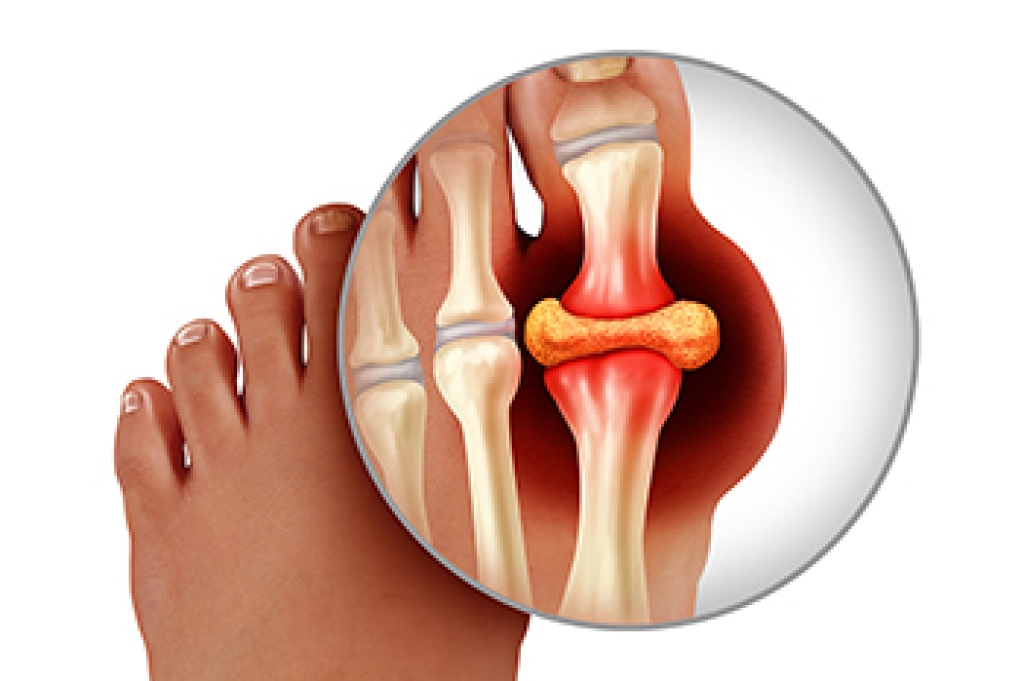
Gout and Why It Often Affects the Big Toe

Gout is a form of arthritis caused by a buildup of uric acid crystals in the joints, leading to sudden, severe pain and swelling. It often affects the big toe because this joint is more susceptible to crystal formation due to lower temperatures and high pressure during movement. Causes include high purine intake, dehydration, and reduced kidney function. Risk factors involve genetics, obesity, certain medications, and alcohol consumption. A podiatrist can help by diagnosing the condition, recommending dietary and lifestyle changes, providing pain relief, and offering strategies to prevent future flare ups. If you suspect gout or experience recurring toe pain, it is suggested that you promptly consult a podiatrist who can offer effective relief and management tips for this condition.

Gout is a foot condition that requires certain treatment and care. If you are seeking treatment, contact one of our doctors from New England Foot & Ankle . Our doctors will treat your foot and ankle needs.

What Is Gout?

Gout is a type of arthritis caused by a buildup of uric acid in the bloodstream. It often develops in the foot, especially the big toe area, although it can manifest in other parts of the body as well. Gout can make walking and standing very painful and is especially common in diabetics and the obese.

People typically get gout because of a poor diet. Genetic predisposition is also a factor. The children of parents who have had gout frequently have a chance of developing it themselves.

Gout can easily be identified by redness and inflammation of the big toe and the surrounding areas of the foot. Other symptoms include extreme fatigue, joint pain, and running high fevers. Sometimes corticosteroid drugs can be prescribed to treat gout, but the best way to combat this disease is to get more exercise and eat a better diet.

If you have any questions, please feel free to contact our offices located in Wakefield, MA, Nashua and Derry, NH . We offer the newest diagnostic and treatment technologies for all your foot care needs.

Read more about Everything You Need to Know About Gout

How to Measure and Wear High Heels with Comfort and Stability

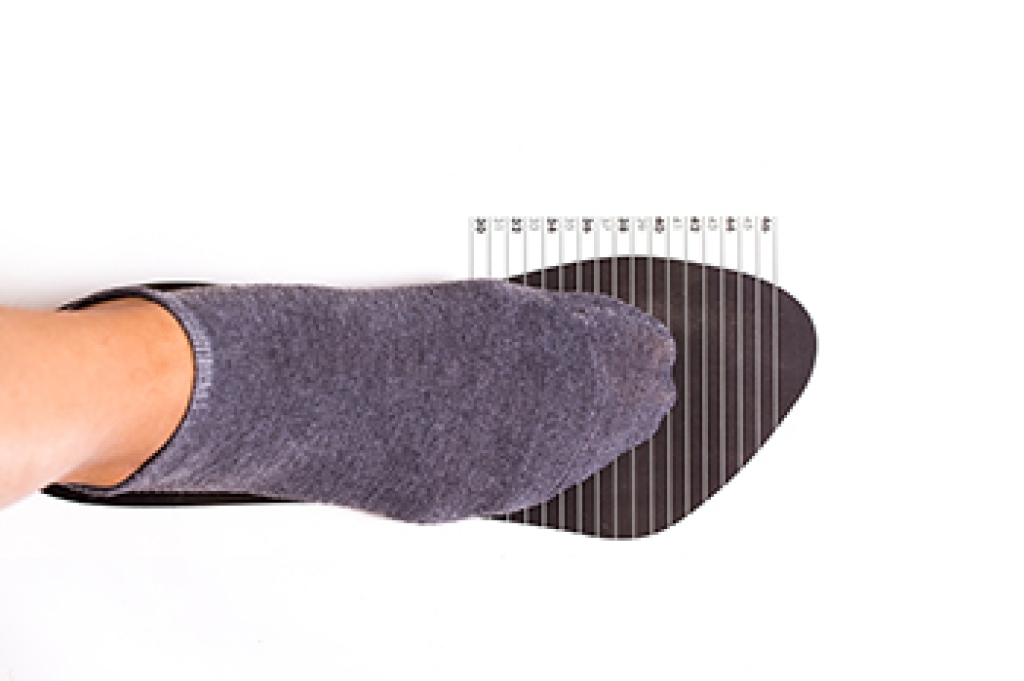
When choosing high heels, the most important measurement is the heel-to-ball length, not the overall foot size. This ensures proper alignment, allowing the ball of the foot to rest where the shoe bends. A poor fit in this area can cause instability, discomfort, and long-term issues. To improve stability, select heels with a pitch that remains perpendicular to the ground and a base that supports balance. Proper fit and posture reduce strain on the feet and lower legs. A podiatrist can assess your foot structure and recommend strategies or custom inserts to improve comfort in high heels. If you have developed a foot or ankle injury from frequently wearing high heels, it is suggested that you consult a podiatrist who can treat various foot injuries, and guide you how to choose high heels that properly fit your foot.

Getting the right shoe size is an important part of proper foot health. Seek the assistance of one of our doctors from New England Foot & Ankle . Our doctors will provide the care you need to keep you pain-free and on your feet.

Getting the Right Shoe Size

There are many people who wear shoes that are the incorrect size, negatively affecting their feet and posture. Selecting the right shoes is not a difficult process, so long as you keep several things in mind when it comes to choosing the right pair.

  • When visiting the shoe store, use the tools available to measure your foot.
  • Be sure there is ‘wiggle room’. There should be about an inch between your toes and the tip of your shoes.
  • Do not always assume you are the same size, as manufacturers run differently.
  • Purchase shoes later in the day, as your feet swell as the day progresses.
  • If a shoe is not comfortable, it is not suitable. Most shoes can’t be ‘broken in’, and comfort should be the ultimate goal when it comes to choosing the right pair of shoes

As our feet hold our body weight and keep us moving, it is important to treat them right. Picking the right pair of shoes can provide your feet comfort and mobility without pain.

If you have any questions, please feel free to contact our offices located in Wakefield, MA, Nashua and Derry, NH . We offer the newest diagnostic and treatment technologies for all your foot care needs.

Read more about Getting the Right Shoe Size: To Keep Your Feet Happy

Common Foot Problems in Tennis Players

The fast, high-impact nature of tennis places significant strain on the feet. Rapid side-to-side movements, abrupt stops, and quick takeoffs can result in problems such as ligament sprains, overuse injuries, stress fractures, and painful heel or arch conditions. Hard playing surfaces can intensify pressure on the joints, and shoes lacking proper support may leave feet vulnerable. Continuous directional changes also challenge ankle stability, increasing the risk of injury. Choosing tennis footwear designed for cushioning and strong lateral support is an important step in protection. Strengthening and stretching the lower legs and feet can further enhance resilience. Players should watch for early signs of discomfort and rest when needed to prevent long-term issues. If soreness, swelling, or persistent foot pain occurs after playing, it is suggested that you see a podiatrist for a diagnosis and appropriate treatment.

Sports related foot and ankle injuries require proper treatment before players can go back to their regular routines. For more information, contact one of our doctors of New England Foot & Ankle . Our doctors can provide the care you need to keep you pain-free and on your feet.

Sports Related Foot and Ankle Injuries

Foot and ankle injuries are a common occurrence when it comes to athletes of any sport. While many athletes dismiss the initial aches and pains, the truth is that ignoring potential foot and ankle injuries can lead to serious problems. As athletes continue to place pressure and strain the area further, a mild injury can turn into something as serious as a rupture and may lead to a permanent disability. There are many factors that contribute to sports related foot and ankle injuries, which include failure to warm up properly, not providing support or wearing bad footwear. Common injuries and conditions athletes face, including:

  • Plantar Fasciitis
  • Achilles Tendinitis
  • Achilles Tendon Rupture
  • Ankle Sprains

Sports related injuries are commonly treated using the RICE method. This includes rest, applying ice to the injured area, compression and elevating the ankle. More serious sprains and injuries may require surgery, which could include arthroscopic and reconstructive surgery. Rehabilitation and therapy may also be required in order to get any recovering athlete to become fully functional again. Any unusual aches and pains an athlete sustains must be evaluated by a licensed, reputable medical professional.

If you have any questions please contact our offices located in Wakefield, MA, Nashua and Derry, NH . We offer the newest diagnostic and treatment technologies for all your foot and ankle needs.

Read more about Sports Related Foot And Ankle Injuries

Ankle Fracture? Don’t Wait for Treatment

If you're suffering from an ankle fracture, professional attention shouldn't wait. Fractures may worsen over time and can make completing everyday activities incredibly difficult. See your specialist for treatment and guidance through the healing process. 

How Prescription Treatments Can Help Athlete’s Foot

Athlete’s foot is a fungal infection that affects the skin on the feet, often caused by walking barefoot in warm, moist environments like locker rooms or pool areas. It spreads easily and thrives in sweaty shoes and socks. Symptoms include itching, redness, peeling, cracking skin, and sometimes blisters or a burning sensation between the toes or on the soles. The skin may look dry, flaky, or scaly and can become painful if left untreated. While mild treatments may help some cases, prescription antifungal medications, which can be topical creams or oral drugs, are often necessary for stubborn or severe infections. These medications effectively eliminate the fungus and help prevent recurrence. A podiatrist can diagnose athlete’s foot and recommend the best treatment plan, including proper foot hygiene and preventive measures. If you are dealing with this bothersome issue, it is suggested that you schedule an appointment with a podiatrist for appropriate treatment, which often includes prescribed medication.

Athlete’s Foot

Athlete’s foot is often an uncomfortable condition to experience. Thankfully, podiatrists specialize in treating athlete’s foot and offer the best treatment options. If you have any questions about athlete’s foot, consult with one of our doctors from New England Foot & Ankle . Our doctors will assess your condition and provide you with quality treatment.

What Is Athlete’s Foot?

Tinea pedis, more commonly known as athlete’s foot, is a non-serious and common fungal infection of the foot. Athlete’s foot is contagious and can be contracted by touching someone who has it or infected surfaces. The most common places contaminated by it are public showers, locker rooms, and swimming pools. Once contracted, it grows on feet that are left inside moist, dark, and warm shoes and socks.

Prevention

The most effective ways to prevent athlete’s foot include:

  • Thoroughly washing and drying feet
  • Avoid going barefoot in locker rooms and public showers
  • Using shower shoes in public showers
  • Wearing socks that allow the feet to breathe
  • Changing socks and shoes frequently if you sweat a lot

Symptoms

Athlete’s foot initially occurs as a rash between the toes. However, if left undiagnosed, it can spread to the sides and bottom of the feet, toenails, and if touched by hand, the hands themselves. Symptoms include:

  • Redness
  • Burning
  • Itching
  • Scaly and peeling skin

Diagnosis and Treatment

Diagnosis is quick and easy. Skin samples will be taken and either viewed under a microscope or sent to a lab for testing. Sometimes, a podiatrist can diagnose it based on simply looking at it. Once confirmed, treatment options include oral and topical antifungal medications.

If you have any questions, please feel free to contact our offices located in Wakefield, MA, Nashua and Derry, NH . We offer the newest diagnostic and treatment technologies for all your foot care needs.
Read more about Athlete's Foot
scroll to top