Common Foot Problems

Many people experience common foot problems that can affect daily comfort and mobility. Athlete’s foot is a fungal infection causing itching, redness, and peeling, often treated with antifungal creams and keeping feet dry. Blisters result from friction or pressure, relieved by padding, protective footwear, and proper hygiene. Bunions are bony bumps at the base of the big toe caused by genetics or tight shoes, eased with orthotics, wider shoes, and sometimes surgery. Corns develop from repeated pressure and friction, relieved with cushioning, wearing proper footwear, and professional removal. A podiatrist can diagnose these conditions, provide targeted treatments, recommend footwear, and offer preventive strategies to protect foot health. If you have any type of foot or ankle pain, it is suggested that you consult a podiatrist who can offer effective treatment solutions. 

Foot Pain

Foot pain can be extremely painful and debilitating. If you have a foot pain, consult with one of our doctors from New England Foot & Ankle . Our doctors will assess your condition and provide you with quality foot and ankle treatment.

Causes

Foot pain is a very broad condition that could be caused by one or more ailments. The most common include:

  • Bunions
  • Hammertoes
  • Plantar Fasciitis
  • Bone Spurs
  • Corns
  • Tarsal Tunnel Syndrome
  • Ingrown Toenails
  • Arthritis (such as Gout, Rheumatoid, and Osteoarthritis)
  • Flat Feet
  • Injury (from stress fractures, broken toe, foot, ankle, Achilles tendon ruptures, and sprains)
  • And more

Diagnosis

To figure out the cause of foot pain, podiatrists utilize several different methods. This can range from simple visual inspections and sensation tests to X-rays and MRI scans. Prior medical history, family medical history, and any recent physical traumatic events will all be taken into consideration for a proper diagnosis.

Treatment

Treatment depends upon the cause of the foot pain. Whether it is resting, staying off the foot, or having surgery; podiatrists have a number of treatment options available for foot pain.

If you have any questions, please feel free to contact our offices located in Wakefield, MA, Nashua and Derry, NH . We offer the newest diagnostic and treatment technologies for all your foot care needs.

Read more about Foot Pain

Get Professional Care for a Broken Foot or Ankle

Constant care and regular evaluation are important for a foot or ankle fracture. If left untreated, foot or ankle fractures can worsen over time and create more serious problems.

Don't wait to be examined if you believe you've experienced a foot or ankle fracture.

What Causes Athlete’s Foot?

Athlete's foot is a common fungal infection that affects the skin of the feet, often occurring between the toes. Symptoms include a burning or itchy sensation, scaly, dry, cracked, or peeling skin, blisters on the feet, and sometimes a noticeable odor. This condition is caused by fungi that thrive in warm, moist environments such as shoes, locker rooms, and swimming areas. Athlete's foot can spread easily, if left untreated, leading to discomfort and skin damage. A podiatrist can accurately diagnose the infection, recommend antifungal treatments, and provide guidance on proper foot hygiene and footwear to prevent recurrence. If you have persistent itching, burning, or peeling skin on your feet, it is suggested that you consult a podiatrist who can offer effective treatment solutions, which may include prescribed medication.

Athlete’s foot is an inconvenient condition that can be easily reduced with the proper treatment. If you have any concerns about your feet and ankles, contact one of our doctors from New England Foot & Ankle .  Our doctors will treat your foot and ankle needs.

Athlete’s Foot: The Sole Story

Athlete's foot, also known as tinea pedis, can be an extremely contagious foot infection. It is commonly contracted in public changing areas and bathrooms, dormitory style living quarters, around locker rooms and public swimming pools, or anywhere your feet often come into contact with other people.

Solutions to Combat Athlete’s Foot

  • Hydrate your feet by using lotion
  • Exfoliate
  • Buff off nails
  • Use of anti-fungal products
  • Examine your feet and visit your doctor if any suspicious blisters or cuts develop

Athlete’s foot can cause many irritating symptoms such as dry and flaking skin, itching, and redness. Some more severe symptoms can include bleeding and cracked skin, intense itching and burning, and even pain when walking. In the worst cases, Athlete’s foot can cause blistering as well. Speak to your podiatrist for a better understanding of the different causes of Athlete’s foot, as well as help in determining which treatment options are best for you.

If you have any questions please feel free to contact our offices located in Wakefield, MA, Nashua and Derry, NH . We offer the newest diagnostic and treatment technologies for all your foot and ankle needs.

Read more about How to Deal with Athlete's Foot

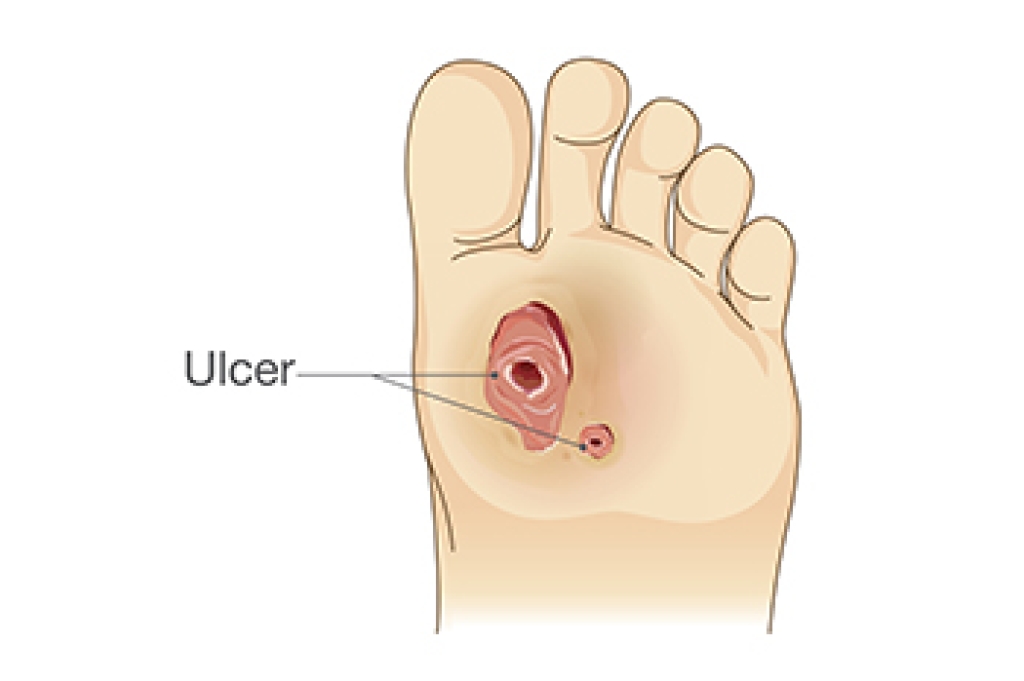
Types of Diabetic Foot Ulcers

A diabetic foot ulcer is an open sore or wound that develops on the foot due to complications from diabetes. High blood sugar levels can damage nerves and reduce circulation, increasing the risk of ulcers. The three main types are neuropathic ulcers caused by loss of sensation, ischemic ulcers from poor blood flow, and neuroischemic ulcers that combine both problems. Treatment involves cleaning the wound, removing dead tissue, applying specialized dressings, and addressing infection or circulation issues. A podiatrist plays a vital role in managing these ulcers by performing wound care, monitoring healing, recommending protective footwear, and helping prevent recurrence. If you have diabetes and have developed a foot wound, it is suggested that you are under the care of a podiatrist who can determine the type of wound and offer effective treatment solutions.

Wound care is an important part in dealing with diabetes. If you have diabetes and a foot wound or would like more information about wound care for diabetics, consult with one of our doctors from New England Foot & Ankle . Our doctors will assess your condition and provide you with quality foot and ankle treatment.

What Is Wound Care?

Wound care is the practice of taking proper care of a wound. This can range from the smallest to the largest of wounds. While everyone can benefit from proper wound care, it is much more important for diabetics. Diabetics often suffer from poor blood circulation which causes wounds to heal much slower than they would in a non-diabetic. 

What Is the Importance of Wound Care?

While it may not seem apparent with small ulcers on the foot, for diabetics, any size ulcer can become infected. Diabetics often also suffer from neuropathy, or nerve loss. This means they might not even feel when they have an ulcer on their foot. If the wound becomes severely infected, amputation may be necessary. Therefore, it is of the upmost importance to properly care for any and all foot wounds.

How to Care for Wounds

The best way to care for foot wounds is to prevent them. For diabetics, this means daily inspections of the feet for any signs of abnormalities or ulcers. It is also recommended to see a podiatrist several times a year for a foot inspection. If you do have an ulcer, run the wound under water to clear dirt from the wound; then apply antibiotic ointment to the wound and cover with a bandage. Bandages should be changed daily and keeping pressure off the wound is smart. It is advised to see a podiatrist, who can keep an eye on it.

If you have any questions please contact our offices located in Wakefield, MA, Nashua and Derry, NH . We offer the newest diagnostic and treatment technologies for all your foot and ankle needs.

Read more about Wound Care

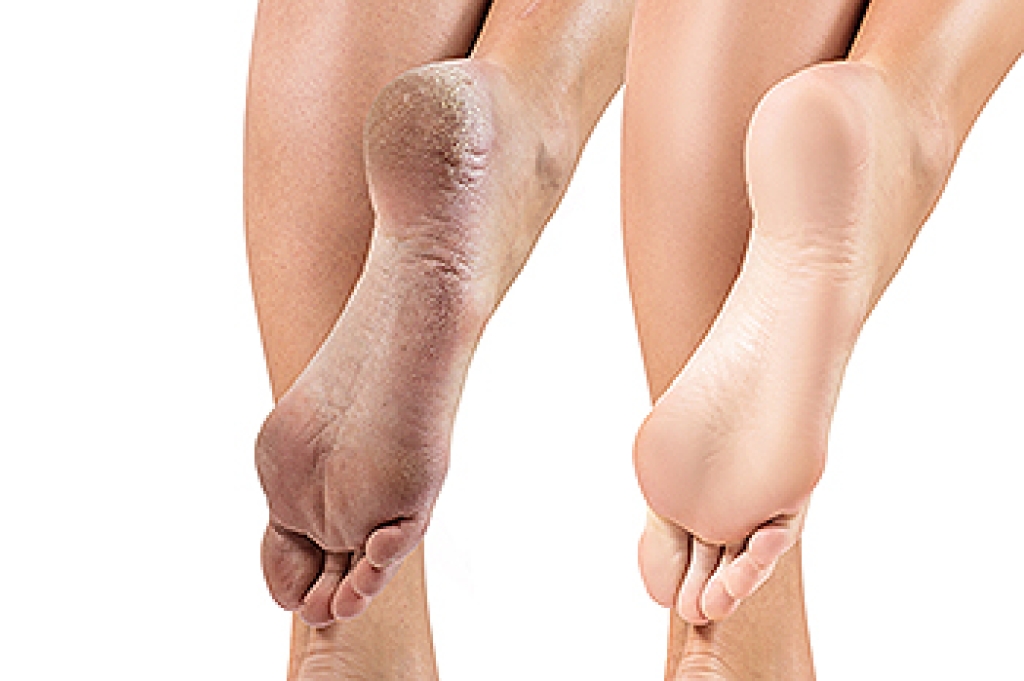
What Causes Cracked Heels?

Cracked heels occur when the skin on the heels becomes dry, thick, and splits, often causing pain or bleeding. Common causes include walking barefoot, wearing open back shoes, using harsh soaps, vitamin deficiencies, in addition to fungal infections, or underlying conditions such as thyroid disorders. These factors can weaken the skin’s natural barrier, leading to rough and painful fissures. Proper foot care is essential to restore moisture and prevent infection. A podiatrist can evaluate the cause, remove thickened skin safely, and recommend treatments such as moisturizing creams or custom orthotics. Do not ignore painful or unsightly cracks on your heels as they can become worse, possibly leading to an infection. If you have this condition, it is suggested that you schedule an appointment with a podiatrist who can offer effective treatment solutions, which may include prescribed medication.

Cracked heels are unsightly and can cause further damage to your shoes and feet. If you have any concerns, contact one of our doctors from New England Foot & Ankle . Our doctors can provide the care you need to keep you pain-free and on your feet.

Cracked Heels

Cracked heels appear unappealing and can make it harder for you walk around in sandals. Aside from looking unpleasant, cracked heels can also tear stockings, socks, and wear out your shoes. There are several methods to help restore a cracked heel and prevent further damage.

How Do You Get Them?

Dry skin is the number one culprit in creating cracked heels. Many athletes, walkers, joggers, and even swimmers suffer from cracked heels. Age and skin oil production play a role to getting cracked heels as well.

Promote Healing

Over the counter medicines can help, especially for those that need instant relief or who suffer from chronic dry feet.

Wear Socks – Wearing socks with medicated creams helps lock in moisture.

Moisturizers – Applying both day and night will help alleviate dryness which causes cracking.

Pumice Stones – These exfoliate and remove dead skin, which allows for smoother moisturizer application and better absorption into the skin. 

Change in Diet

Eating healthy with a well-balanced diet will give the skin a fresh and radiant look. Your body responds to the kinds of food you ingest. Omega-3 fatty acids and zinc supplements can also revitalize skin tissue.

Most importantly, seek professional help if unsure how to proceed in treating cracked heels. A podiatrist will help you with any questions or information needed. 

If you have any questions, please feel free to contact our offices located in Wakefield, MA, Nashua and Derry, NH . We offer the newest diagnostic and treatment technologies for all your foot care needs.
Read more about Solutions for Cracked Heels
scroll to top