
Causes of Flat Feet in Children

Flat feet in children occur when the arches of the feet are lower than normal or absent, affecting foot function and posture. Causes include genetics, ligament laxity, or developmental delays. There are two main types of flat feet which are flexible flat feet, where the arch appears when standing on tiptoes, and rigid flat feet, where the arch is absent in all positions. Symptoms may include foot pain, fatigue during activity, uneven shoe wear, or difficulty walking or running. A podiatrist can assess your child’s foot structure, recommend supportive footwear or orthotics, and provide exercises to improve strength and alignment. If your child has pain from having flat feet, it is suggested that you consult a podiatrist who can offer effective relief and management tips.

Flatfoot is a condition many people suffer from. If you have flat feet, contact one of our doctors from New England Foot & Ankle . Our doctors will treat your foot and ankle needs.

What Are Flat Feet?

Flatfoot is a condition in which the arch of the foot is depressed and the sole of the foot is almost completely in contact with the ground. About 20-30% of the population generally has flat feet because their arches never formed during growth.

Conditions & Problems:

Having flat feet makes it difficult to run or walk because of the stress placed on the ankles.

Alignment – The general alignment of your legs can be disrupted, because the ankles move inward which can cause major discomfort.

Knees – If you have complications with your knees, flat feet can be a contributor to arthritis in that area.  

Symptoms

  • Pain around the heel or arch area
  • Trouble standing on the tip toe
  • Swelling around the inside of the ankle
  • Flat look to one or both feet
  • Having your shoes feel uneven when worn

Treatment

If you are experiencing pain and stress on the foot you may weaken the posterior tibial tendon, which runs around the inside of the ankle. 

If you have any questions, please feel free to contact our offices located in Wakefield, MA, Nashua and Derry, NH . We offer the newest diagnostic and treatment technologies for all your foot care needs.

Read more about Flat Feet

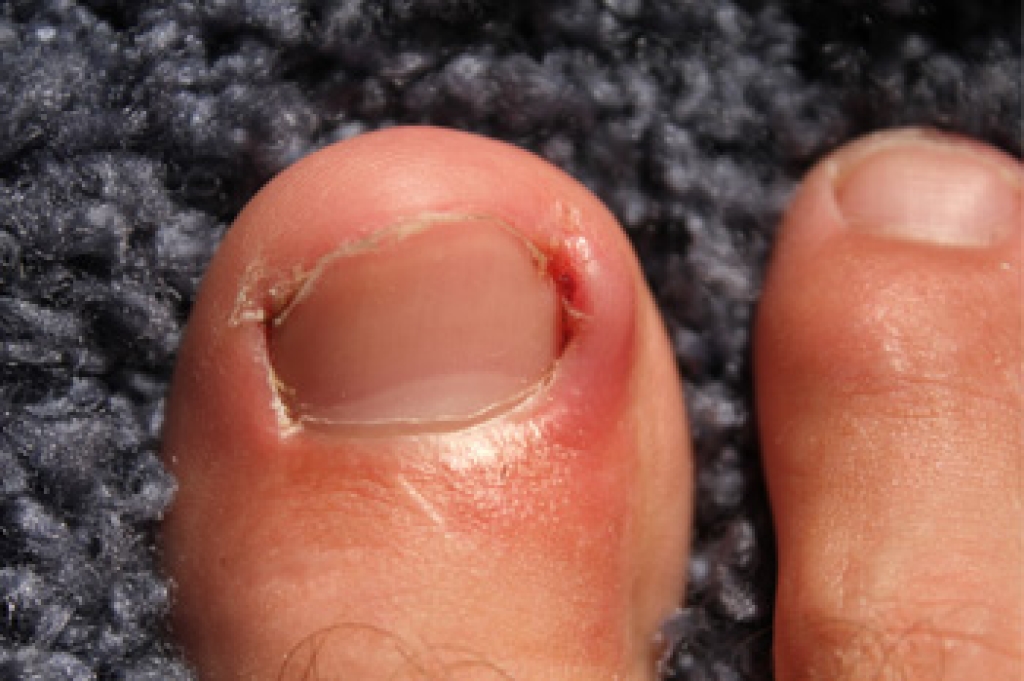
Do I Have an Ingrown Toenail?

Ingrown toenails occur when the toenail pierces the skin at the fold of the nail. Some common causes of ingrown toenails may include trauma, improper toenail cutting, shoes that are too tight, sweaty feet, and medications. Ingrown toenails can also be recognized by the swelling and inflammation around the toenail that is painful when pressure is applied.  While there are many home remedies that can help reduce the pain of an ingrown toenail, it is important to visit a podiatrist in order to prevent an infection or further damage from occurring. Your podiatrist can provide a variety of home remedies, as well as provide surgical options if necessary.

Ingrown toenails may initially present themselves as a minor discomfort, but they may progress into an infection in the skin without proper treatment. For more information about ingrown toenails, contact one of our doctors of New England Foot & Ankle . Our doctors can provide the care you need to keep you pain-free and on your feet.

Ingrown Toenails

Ingrown toenails are caused when the corner or side of a toenail grows into the soft flesh surrounding it. They often result in redness, swelling, pain, and in some cases, infection. This condition typically affects the big toe and may recur if it is not treated properly.

Causes

  • Improper toenail trimming
  • Genetics
  • Improper shoe fitting
  • Injury from pedicures or nail picking
  • Abnormal gait
  • Poor hygiene

You are more likely to develop an ingrown toenail if you are obese, have diabetes, arthritis, or have any fungal infection in your nails. Additionally, people who have foot or toe deformities are at a higher risk of developing an ingrown toenail.

Symptoms

Some symptoms of ingrown toenails are redness, swelling, and pain. In rare cases, there may be a yellowish drainage coming from the nail.

Treatment

Ignoring an ingrown toenail can have serious complications. Infections of the nail border can progress to a deeper soft-tissue infection, which can then turn into a bone infection. You should always speak with your podiatrist if you suspect you have an ingrown toenail, especially if you have diabetes or poor circulation.

If you have any questions, please feel free to contact our offices located in Wakefield, MA, Nashua and Derry, NH . We offer the newest diagnostic and treatment technologies for all your foot care needs.

Read more about Ingrown Toenail Care

Causes of Foot Arch Pain

Foot arch pain is discomfort that develops in the curved middle part of the foot and can interfere with walking and daily activities. Common causes include plantar fasciitis, foot cramps from overuse or dehydration, and tarsal tunnel syndrome which compresses nerves in the ankle. Symptoms may include aching, burning, or sharp pain that worsens with standing or activity. Risk factors include flat feet, high arches, obesity, and wearing improper footwear. A podiatrist can help by diagnosing the exact cause, providing custom orthotics, offering treatment options, and guiding exercises to strengthen the foot. If you have persistent foot arch pain, it is suggested that you schedule a visit with a podiatrist who can accurately diagnose and offer appropriate treatment solutions.

Foot Pain

Foot pain can be extremely painful and debilitating. If you have a foot pain, consult with one of our doctors from New England Foot & Ankle . Our doctors will assess your condition and provide you with quality foot and ankle treatment.

Causes

Foot pain is a very broad condition that could be caused by one or more ailments. The most common include:

  • Bunions
  • Hammertoes
  • Plantar Fasciitis
  • Bone Spurs
  • Corns
  • Tarsal Tunnel Syndrome
  • Ingrown Toenails
  • Arthritis (such as Gout, Rheumatoid, and Osteoarthritis)
  • Flat Feet
  • Injury (from stress fractures, broken toe, foot, ankle, Achilles tendon ruptures, and sprains)
  • And more

Diagnosis

To figure out the cause of foot pain, podiatrists utilize several different methods. This can range from simple visual inspections and sensation tests to X-rays and MRI scans. Prior medical history, family medical history, and any recent physical traumatic events will all be taken into consideration for a proper diagnosis.

Treatment

Treatment depends upon the cause of the foot pain. Whether it is resting, staying off the foot, or having surgery; podiatrists have a number of treatment options available for foot pain.

If you have any questions, please feel free to contact our offices located in Wakefield, MA, Nashua and Derry, NH . We offer the newest diagnostic and treatment technologies for all your foot care needs.

Read more about Foot Pain

Are You Suffering From Nerve Damage?

Neuropathy is a condition that can lead to numbness or loss of sensation in the feet, but it can also cause pain. This condition is more likely to develop for those who are diabetic, obese, or with high blood pressure.

Neuropathy and Its Effects on the Feet

Neuropathy is a condition that results from damage to the nerves, often affecting the feet. It can involve sensory nerves, which transmit sensations such as pain, temperature, and touch. Motor nerves control muscle movement, and autonomic nerves regulate involuntary functions like sweating and blood flow. Damage to these nerves can lead to symptoms including numbness, tingling, burning sensations, weakness, balance difficulties, and changes in skin or toenail health. Early recognition and management are vital to prevent complications. A podiatrist can evaluate nerve function, provide treatments to relieve discomfort, recommend protective footwear, and develop a comprehensive care plan. If you have unusual sensations or pain in your feet, it is suggested that you contact a podiatrist for an expert evaluation and guidance.

Neuropathy

Neuropathy can be a potentially serious condition, especially if it is left undiagnosed. If you have any concerns that you may be experiencing nerve loss in your feet, consult with one of our doctors from New England Foot & Ankle . Our doctors will assess your condition and provide you with quality foot and ankle treatment for neuropathy.

What Is Neuropathy?

Neuropathy is a condition that leads to damage to the nerves in the body. Peripheral neuropathy, or neuropathy that affects your peripheral nervous system, usually occurs in the feet. Neuropathy can be triggered by a number of different causes. Such causes include diabetes, infections, cancers, disorders, and toxic substances.

Symptoms of Neuropathy Include:

  • Numbness
  • Sensation loss
  • Prickling and tingling sensations
  • Throbbing, freezing, burning pains
  • Muscle weakness

Those with diabetes are at serious risk due to being unable to feel an ulcer on their feet. Diabetics usually also suffer from poor blood circulation. This can lead to the wound not healing, infections occurring, and the limb may have to be amputated.

Treatment

To treat neuropathy in the foot, podiatrists will first diagnose the cause of the neuropathy. Figuring out the underlying cause of the neuropathy will allow the podiatrist to prescribe the best treatment, whether it be caused by diabetes, toxic substance exposure, infection, etc. If the nerve has not died, then it’s possible that sensation may be able to return to the foot.

Pain medication may be issued for pain. Electrical nerve stimulation can be used to stimulate nerves. If the neuropathy is caused from pressure on the nerves, then surgery may be necessary.

If you have any questions, please feel free to contact our offices located in Wakefield, MA, Nashua and Derry, NH . We offer the newest diagnostic and treatment technologies for all your foot care needs.

Read more about Neuropathy
scroll to top