Why the Right Shoe for Your Activity Matters

Finding the right shoe for walking or running is important for protecting the feet and supporting proper movement. Walking and running place different levels of stress on the feet, so each activity requires a specific type of shoe. Walking shoes are often more flexible, allowing the foot to roll forward smoothly. Running shoes are usually lighter, with thicker cushioning to absorb repeated impact. A poor shoe choice can place extra strain on the heel, arch, and ankle, which may lead to pain or injury during or after activity. Proper fit is also important, as shoes that are too tight or too loose can affect balance and pressure distribution. A podiatrist can examine foot structure, analyze walking or running patterns, and recommend appropriate footwear or custom orthotics to improve comfort and function. If you have foot pain after walking or running, it is suggested that you schedule an appointment with a podiatrist for a diagnosis and appropriate treatment.

If you are a runner, wearing the right running shoe is essential. For more information, contact one of our doctors from New England Foot & Ankle . Our doctors can provide the care you need to keep you pain-free and on your feet.

Choosing the Right Running Shoe for Your Foot Type

To increase performance and avoid the risk of injury, it is important to choose the right running shoe based on your foot type. The general design of running shoes revolves around pronation, which is how the ankle rolls from outside to inside when the foot strikes the ground.

  • Neutral runners are able to choose from a wide variety of shoes, including minimalist shoes or even going barefoot.
  • Runners who overpronate, or experience an over-abundance of ankle rolling, should choose shoes that provide extra motion control and stability.
  • Runners who underpronate, or supinate, have feet that have high arches and lack flexibility, preventing shock absorption. They require shoes with more flexibility and cushion.

If you have any questions, please feel free to contact our offices located in Wakefield, MA, Nashua and Derry, NH . We offer the newest diagnostic and treatment technologies for all your foot care needs.
Read more about Differences between Walking and Running Shoes

Why the Right Shoe for Your Activity Matters

Finding the right shoe for walking or running is important for protecting the feet and supporting proper movement. Walking and running place different levels of stress on the feet, so each activity requires a specific type of shoe. Walking shoes are often more flexible, allowing the foot to roll forward smoothly. Running shoes are usually lighter, with thicker cushioning to absorb repeated impact. A poor shoe choice can place extra strain on the heel, arch, and ankle, which may lead to pain or injury during or after activity. Proper fit is also important, as shoes that are too tight or too loose can affect balance and pressure distribution. A podiatrist can examine foot structure, analyze walking or running patterns, and recommend appropriate footwear or custom orthotics to improve comfort and function. If you have foot pain after walking or running, it is suggested that you schedule an appointment with a podiatrist for a diagnosis and appropriate treatment.

If you are a runner, wearing the right running shoe is essential. For more information, contact one of our doctors from New England Foot & Ankle . Our doctors can provide the care you need to keep you pain-free and on your feet.

Choosing the Right Running Shoe for Your Foot Type

To increase performance and avoid the risk of injury, it is important to choose the right running shoe based on your foot type. The general design of running shoes revolves around pronation, which is how the ankle rolls from outside to inside when the foot strikes the ground.

  • Neutral runners are able to choose from a wide variety of shoes, including minimalist shoes or even going barefoot.
  • Runners who overpronate, or experience an over-abundance of ankle rolling, should choose shoes that provide extra motion control and stability.
  • Runners who underpronate, or supinate, have feet that have high arches and lack flexibility, preventing shock absorption. They require shoes with more flexibility and cushion.

If you have any questions, please feel free to contact our offices located in Wakefield, MA, Nashua and Derry, NH . We offer the newest diagnostic and treatment technologies for all your foot care needs.

Read more about Differences between Walking and Running Shoes

Causes of Mid-Foot Pain

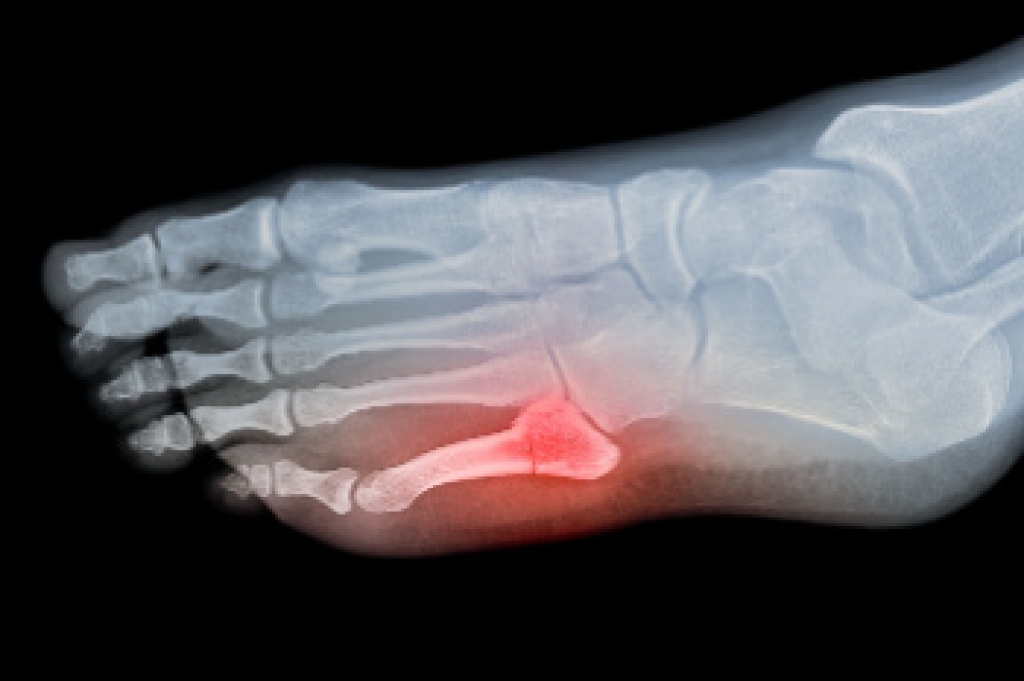
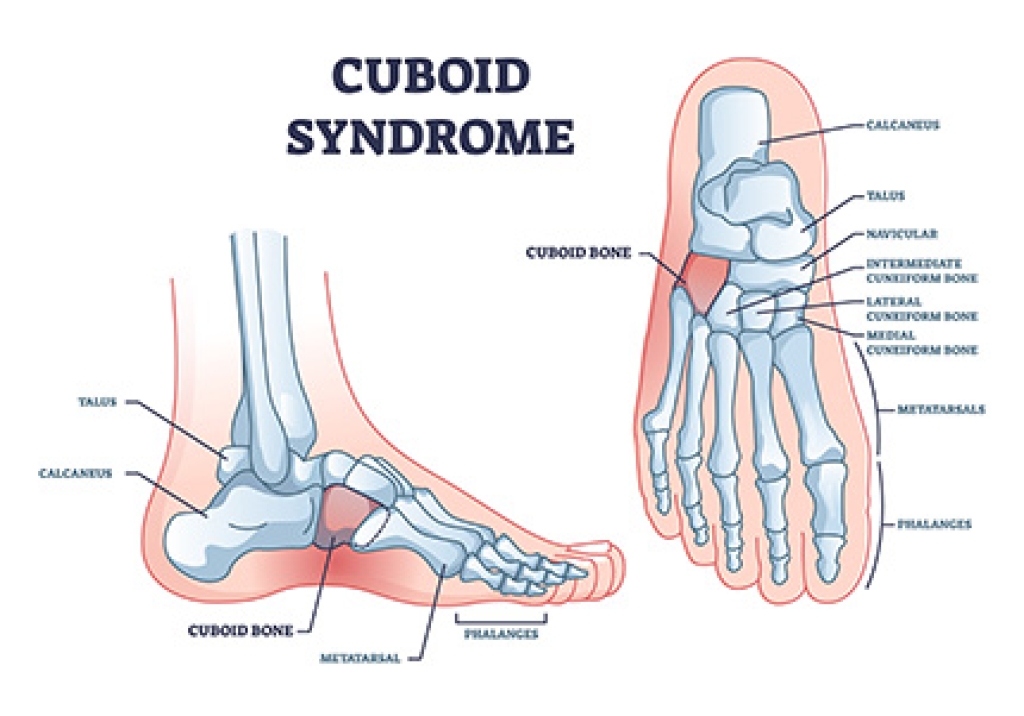
Pain can develop when the structures in the middle of the foot become strained or damaged. This area contains joints, bones, and soft tissue that help support body weight during walking. Common causes of mid-foot pain include stress fractures, which are small cracks in the bone from repeated pressure, and arthritis, which leads to joint inflammation and stiffness. Tendon pain, known as tendinitis, may also occur when tendons become overworked. In some cases, nerve problems like a neuroma can cause burning or sharp pain. Foot shape and alignment issues can place uneven pressure on the mid-foot, leading to discomfort over time. A podiatrist can evaluate gait and order X-rays or other imaging to identify the exact source of pain. Treatment options include bracing, custom orthotics, or surgery in more serious cases. If you are experiencing mid-foot pain, it is suggested that you make an appointment with a podiatrist for treatment.

Foot Pain

Foot pain can be extremely painful and debilitating. If you have a foot pain, consult with one of our doctors from New England Foot & Ankle . Our doctors will assess your condition and provide you with quality foot and ankle treatment.

Causes

Foot pain is a very broad condition that could be caused by one or more ailments. The most common include:

  • Bunions
  • Hammertoes
  • Plantar Fasciitis
  • Bone Spurs
  • Corns
  • Tarsal Tunnel Syndrome
  • Ingrown Toenails
  • Arthritis (such as Gout, Rheumatoid, and Osteoarthritis)
  • Flat Feet
  • Injury (from stress fractures, broken toe, foot, ankle, Achilles tendon ruptures, and sprains)
  • And more

Diagnosis

To figure out the cause of foot pain, podiatrists utilize several different methods. This can range from simple visual inspections and sensation tests to X-rays and MRI scans. Prior medical history, family medical history, and any recent physical traumatic events will all be taken into consideration for a proper diagnosis.

Treatment

Treatment depends upon the cause of the foot pain. Whether it is resting, staying off the foot, or having surgery; podiatrists have a number of treatment options available for foot pain.

If you have any questions, please feel free to contact our offices located in Wakefield, MA, Nashua and Derry, NH . We offer the newest diagnostic and treatment technologies for all your foot care needs.
Read more about Foot Pain

Causes of Mid-Foot Pain

Pain can develop when the structures in the middle of the foot become strained or damaged. This area contains joints, bones, and soft tissue that help support body weight during walking. Common causes of mid-foot pain include stress fractures, which are small cracks in the bone from repeated pressure, and arthritis, which leads to joint inflammation and stiffness. Tendon pain, known as tendinitis, may also occur when tendons become overworked. In some cases, nerve problems like a neuroma can cause burning or sharp pain. Foot shape and alignment issues can place uneven pressure on the mid-foot, leading to discomfort over time. A podiatrist can evaluate gait and order X-rays or other imaging to identify the exact source of pain. Treatment options include bracing, custom orthotics, or surgery in more serious cases. If you are experiencing mid-foot pain, it is suggested that you make an appointment with a podiatrist for treatment.

Foot Pain

Foot pain can be extremely painful and debilitating. If you have a foot pain, consult with one of our doctors from New England Foot & Ankle . Our doctors will assess your condition and provide you with quality foot and ankle treatment.

Causes

Foot pain is a very broad condition that could be caused by one or more ailments. The most common include:

  • Bunions
  • Hammertoes
  • Plantar Fasciitis
  • Bone Spurs
  • Corns
  • Tarsal Tunnel Syndrome
  • Ingrown Toenails
  • Arthritis (such as Gout, Rheumatoid, and Osteoarthritis)
  • Flat Feet
  • Injury (from stress fractures, broken toe, foot, ankle, Achilles tendon ruptures, and sprains)
  • And more

Diagnosis

To figure out the cause of foot pain, podiatrists utilize several different methods. This can range from simple visual inspections and sensation tests to X-rays and MRI scans. Prior medical history, family medical history, and any recent physical traumatic events will all be taken into consideration for a proper diagnosis.

Treatment

Treatment depends upon the cause of the foot pain. Whether it is resting, staying off the foot, or having surgery; podiatrists have a number of treatment options available for foot pain.

If you have any questions, please feel free to contact our offices located in Wakefield, MA, Nashua and Derry, NH . We offer the newest diagnostic and treatment technologies for all your foot care needs.

Read more about Foot Pain

Keep Your Feet Healthy So You Can Stay Active

Have your feet inspected by a professional before starting a new sport or physical activity. Taking charge of your foot health will keep you in good physical condition and can help you avoid a potential injury, such as a fracture or sprained ankle.

Prevent injuries and see a foot specialist.

Advanced Podiatric Procedures & Services in the Middlesex County, MA: Wakefield, Reading, Stoneham, Melrose, Essex County, MA: Lynnfield,  Hillsborough County, NH: Nashua, Hudson, Hollis, Litchfield, Rockingham County, NM: Derry, Londonderry, Windham, Hampstead areas