Causes of Falling and Preventions Tips

Falls among adults can result from various factors, including vitamin deficiencies, balance issues, and vision problems. Deficiencies in vitamins such as D and B12 can weaken bones and impair nerve function, increasing the risk of falls. Similarly, balance disorders, often linked to aging or certain medical conditions, can disrupt equilibrium and stability while walking or standing. Vision impairment, whether due to age-related changes or untreated eye conditions, can also hinder depth perception and spatial awareness, heightening the likelihood of tripping or stumbling. To mitigate these risks, individuals can adopt fall prevention measures such as regular exercise to improve strength and balance, ensuring adequate intake of essential vitamins through a balanced diet and supplements, and scheduling routine eye exams to address vision issues promptly. Additionally, removing tripping hazards at home, installing handrails and grab bars, and using proper footwear with good traction can further reduce the likelihood of falls and promote safety and independence. Falling can seriously impact the feet, and cause difficulty in completing daily activities. If you have endured a foot injury from falling, it is suggested that you visit a podiatrist who can treat foot pain, and educate you about effective fall prevention methods.

Preventing falls among the elderly is very important. If you are older and have fallen or fear that you are prone to falling, consult with one of our doctors from New England Foot & Ankle . Our doctors will assess your condition and provide you with quality advice and care.

Every 11 seconds, an elderly American is being treated in an emergency room for a fall related injury. Falls are the leading cause of head and hip injuries for those 65 and older. Due to decreases in strength, balance, senses, and lack of awareness, elderly persons are very susceptible to falling. Thankfully, there are a number of things older persons can do to prevent falls.

How to Prevent Falls

Some effective methods that older persons can do to prevent falls include:

  • Enrolling in strength and balance exercise program to increase balance and strength
  • Periodically having your sight and hearing checked
  • Discuss any medications you have with a doctor to see if it increases the risk of falling
  • Clearing the house of falling hazards and installing devices like grab bars and railings
  • Utilizing a walker or cane
  • Wearing shoes that provide good support and cushioning
  • Talking to family members about falling and increasing awareness

Falling can be a traumatic and embarrassing experience for elderly persons; this can make them less willing to leave the house, and less willing to talk to someone about their fears of falling. Doing such things, however, will increase the likelihood of tripping or losing one’s balance. Knowing the causes of falling and how to prevent them is the best way to mitigate the risk of serious injury.  

If you have any questions, please feel free to contact our offices located in Wakefield, MA, Nashua and Derry, NH . We offer the newest diagnostic and treatment technologies for all your foot care needs.

Read more about Falls Prevention

Let the Expert Treat Your Ingrown Toenails

Ingrown toenails can be painful and can make wearing shoes or walking uncomfortable. Seek professional help if you believe you've developed an ingrown toenail and be treated safely. 

There Is Relief for Foot Pain

Foot pain can severely impact the quality of life and increase the risk of falls, affecting activities and mobility. Achy heels, bunions, calluses, and burning sensations can cause discomfort and lead to complications if left untreated. Additionally, numbness and tingling may indicate nerve issues that require prompt attention. Proper toenail care is essential to prevent ingrown nails and infections. Consulting a podiatrist can help with the effective management of foot pain. Podiatrists offer a range of solutions, from custom orthotics to specialized treatments tailored to specific conditions. By addressing the root cause of foot pain, podiatrists can alleviate discomfort, improve mobility, and reduce the risk of complications, ultimately enhancing the overall quality of life. If you are suffering from foot pain, it is suggested that you schedule an appointment with a podiatrist for a proper diagnosis and treatment.

Foot Pain

Foot pain can be extremely painful and debilitating. If you have a foot pain, consult with one of our doctors from New England Foot & Ankle . Our doctors will assess your condition and provide you with quality foot and ankle treatment.

Causes

Foot pain is a very broad condition that could be caused by one or more ailments. The most common include:

  • Bunions
  • Hammertoes
  • Plantar Fasciitis
  • Bone Spurs
  • Corns
  • Tarsal Tunnel Syndrome
  • Ingrown Toenails
  • Arthritis (such as Gout, Rheumatoid, and Osteoarthritis)
  • Flat Feet
  • Injury (from stress fractures, broken toe, foot, ankle, Achilles tendon ruptures, and sprains)
  • And more

Diagnosis

To figure out the cause of foot pain, podiatrists utilize several different methods. This can range from simple visual inspections and sensation tests to X-rays and MRI scans. Prior medical history, family medical history, and any recent physical traumatic events will all be taken into consideration for a proper diagnosis.

Treatment

Treatment depends upon the cause of the foot pain. Whether it is resting, staying off the foot, or having surgery; podiatrists have a number of treatment options available for foot pain.

If you have any questions, please feel free to contact our offices located in Wakefield, MA, Nashua and Derry, NH . We offer the newest diagnostic and treatment technologies for all your foot care needs.

Read more about Foot Pain

Dactylitis and Foot Problems in Children

Dactylitis, commonly known as hand-foot syndrome, and associated with sickle cell disease, or SCD, manifests as painful swelling and inflammation in the fingers and toes, primarily affecting children. The condition arises from obstructed blood flow due to sickle-shaped red blood cells, which leads to tissue damage and discomfort. Treatment focuses on managing SCD symptoms, including pain relief and anti-inflammatory measures. Podiatrists, specializing in foot health, play a vital role in dactylitis management. They diagnose the condition, implement tailored treatment plans, and offer preventive care strategies. Podiatrists educate patients and families on foot hygiene and hydration, minimizing the risk of flare-ups. Regular monitoring by podiatrists ensures early intervention and prevents long-term complications, improving overall quality of life for individuals affected by dactylitis. If your child suffers from dactylitis, it is suggested that you schedule regular appointments with a podiatrist for care.

When dealing with systemic disease of the feet, it is extremely important to check the affected areas routinely so that any additional problems are caught quickly.  If you have any concerns about your feet and ankles contact one of our doctors from New England Foot & Ankle . Our doctors will assist you with all of your podiatric needs.

Systemic Diseases of the Feet

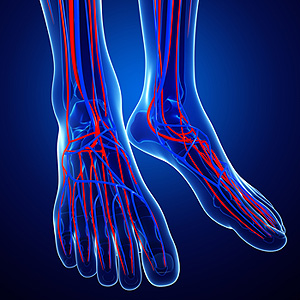
Systemic diseases affect the whole body, and symptoms usually are displayed in the feet. This condition can make a patient’s ability to walk unbearable.  Systemic diseases include gout, diabetes mellitus, neurological disorders, and arthritis.

Gout – is caused by an excess of uric acid in the body. Common symptoms include pain, inflammation, and redness at the metatarsal/phalangeal joint of the base big toe. Gout can be treated by NSAIDs to relieve pain and inflammation, and other drugs that lower the acid levels in the body.

Diabetes mellitus – is an increase in the level of blood sugar that the body cannot counteract with its own insulin. Failure to produce enough insulin is a factor in Diabetes.

Diabetes of the Feet

Diabetic Neuropathy – may lead to damaged nerves and affect the feet through numbness and loss of sensation.

Peripheral Vascular Disease – can restrict the blood flow to the feet, and often times lead to amputation of the feet. 

If you have any questions please contact our offices located in Wakefield, MA, Nashua and Derry, NH . We offer the newest diagnostic and treatment technologies for all your foot and ankle needs.

Read more about Systemic Diseases of the Foot

Foot Ulcers From Neuropathy

Neuropathy, a condition often associated with diabetes but not exclusive to it, refers to nerve damage that can result in loss of sensation in the feet. Non-diabetic foot wounds stemming from neuropathy occur due to the inability to perceive pain or pressure, leading to unnoticed injuries that can worsen into ulcers. Without proper sensation, individuals may continue walking on injured feet, exacerbating the wounds. Podiatrists play an important role in managing these ulcers by conducting thorough assessments to determine the extent of damage, implementing preventive measures to alleviate pressure on affected areas, and initiating treatment plans tailored to individual needs. This may involve wound care, infection management, offloading techniques to reduce pressure on the wound site, and patient education on foot care practices to prevent further complications. If you have a foot wound of any type, it is suggested that you schedule an appointment with a podiatrist for immediate treatment.

Wound care is an important part in dealing with diabetes. If you have diabetes and a foot wound or would like more information about wound care for diabetics, consult with one of our doctors from New England Foot & Ankle . Our doctors will assess your condition and provide you with quality foot and ankle treatment.

What Is Wound Care?

Wound care is the practice of taking proper care of a wound. This can range from the smallest to the largest of wounds. While everyone can benefit from proper wound care, it is much more important for diabetics. Diabetics often suffer from poor blood circulation which causes wounds to heal much slower than they would in a non-diabetic. 

What Is the Importance of Wound Care?

While it may not seem apparent with small ulcers on the foot, for diabetics, any size ulcer can become infected. Diabetics often also suffer from neuropathy, or nerve loss. This means they might not even feel when they have an ulcer on their foot. If the wound becomes severely infected, amputation may be necessary. Therefore, it is of the upmost importance to properly care for any and all foot wounds.

How to Care for Wounds

The best way to care for foot wounds is to prevent them. For diabetics, this means daily inspections of the feet for any signs of abnormalities or ulcers. It is also recommended to see a podiatrist several times a year for a foot inspection. If you do have an ulcer, run the wound under water to clear dirt from the wound; then apply antibiotic ointment to the wound and cover with a bandage. Bandages should be changed daily and keeping pressure off the wound is smart. It is advised to see a podiatrist, who can keep an eye on it.

If you have any questions please contact our offices located in Wakefield, MA, Nashua and Derry, NH . We offer the newest diagnostic and treatment technologies for all your foot and ankle needs.

Read more about Wound Care
scroll to top