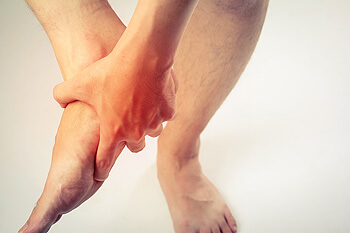
Have your feet inspected by a professional before starting a new sport or physical activity. Taking charge of your foot health will keep you in good physical condition and can help you avoid a potential injury, such as a fracture or sprained ankle.
Ingrown toenails can result in a painful and debilitating condition if not addressed promptly. Treatment options for an ingrown toenail vary. Nonsurgical methods, suitable for mild to moderate cases, include wearing appropriate footwear, managing fungal infections, and soaking the afflicted foot. A podiatrist may also suggest applying steroid creams and may use cotton or dental floss to lift the nail edge. Other specialized treatment includes applying tape to pull the nail fold away, employing gutter splints, or creating cotton nail casts. Surgical options become necessary for more severe cases. In these cases, a podiatrist may perform a partial nail avulsion, wedge excision or total nail avulsion. Each method aims to alleviate pressure on the nail fold, thus reducing trauma and preventing recurrence. If you have an ingrown toenail, it is suggested that you schedule an appointment with a podiatrist who can perform the treatment method that is right for you.
Ingrown toenails can become painful if they are not treated properly. For more information about ingrown toenails, contact one of our doctors of New England Foot & Ankle . Our doctors can provide the care you need to keep you pain-free and on your feet.
Ingrown Toenails
Ingrown toenails occur when a toenail grows sideways into the bed of the nail, causing pain, swelling, and possibly infection.
Causes
Bacterial infections
Improper nail cutting such as cutting it too short or not straight across
Trauma to the toe, such as stubbing, which causes the nail to grow back irregularly
Ill-fitting shoes that bunch the toes too close together
Genetic predisposition
Prevention
Because ingrown toenails are not something found outside of shoe-wearing cultures, going barefoot as often as possible will decrease the likeliness of developing ingrown toenails. Wearing proper fitting shoes and using proper cutting techniques will also help decrease your risk of developing ingrown toenails.
Treatment
Ingrown toenails are a very treatable foot condition. In minor cases, soaking the affected area in salt or antibacterial soaps will not only help with the ingrown nail itself, but also help prevent any infections from occurring. In more severe cases, surgery is an option. In either case, speaking to your podiatrist about this condition will help you get a better understanding of specific treatment options that are right for you.
If you have any questions please feel free to contact our offices located in Wakefield, MA,Nashuaand Derry, NH. We offer the newest diagnostic and treatment technologies for all your foot and ankle needs.
Skating is a beloved activity for many, but foot and ankle injuries can hinder both enjoyment and performance. Improperly fitted skates often lead to corns, calluses, bunions, and bunionettes, causing discomfort and negatively affecting skating ability. Additionally, ankle pain and weakness are prevalent among skaters, making them susceptible to sprains and overuse injuries like Achilles tendonitis. Skaters with biomechanical imbalances, such as flat feet or high arches, are at further risk of developing plantar fasciitis and heel pain. One way to avoid these issues involves wearing properly fitting footwear and attentive foot care. Investing in well-fitted skates and footwear tailored to individual foot needs is essential. Plus, seeking prompt treatment for persistent foot pain from a podiatrist ensures optimal skating performance and long-term foot health. By taking proactive measures to prevent injury, skaters can continue enjoying their favorite activity without discomfort or limitations. If you have skating-related foot or ankle pain, it is suggested that you schedule an appointment with a podiatrist.
Sports related foot and ankle injuries require proper treatment before players can go back to their regular routines. For more information, contact one of our doctors of New England Foot & Ankle . Our doctors can provide the care you need to keep you pain-free and on your feet.
Sports Related Foot and Ankle Injuries
Foot and ankle injuries are a common occurrence when it comes to athletes of any sport. While many athletes dismiss the initial aches and pains, the truth is that ignoring potential foot and ankle injuries can lead to serious problems. As athletes continue to place pressure and strain the area further, a mild injury can turn into something as serious as a rupture and may lead to a permanent disability. There are many factors that contribute to sports related foot and ankle injuries, which include failure to warm up properly, not providing support or wearing bad footwear. Common injuries and conditions athletes face, including:
Plantar Fasciitis
Plantar Fasciosis
Achilles Tendinitis
Achilles Tendon Rupture
Ankle Sprains
Sports related injuries are commonly treated using the RICE method. This includes rest, applying ice to the injured area, compression and elevating the ankle. More serious sprains and injuries may require surgery, which could include arthroscopic and reconstructive surgery. Rehabilitation and therapy may also be required in order to get any recovering athlete to become fully functional again. Any unusual aches and pains an athlete sustains must be evaluated by a licensed, reputable medical professional.
If you have any questions please feel free to contact our offices located in Wakefield, MA,Nashuaand Derry, NH. We offer the newest diagnostic and treatment technologies for all your foot and ankle needs.
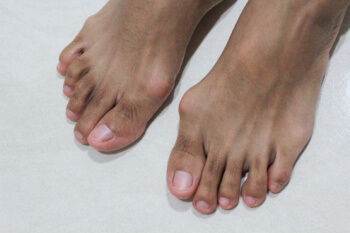
Bunions, also known as hallux valgus, may be noticed as they form through various early signs. These signs encompass redness, swelling, thickened skin, and tenderness surrounding the big toe joint, often accompanied by a bony lump or prominence. Additionally, calluses and corns may develop due to increased pressure on the affected area. Early stages of bunion formation can cause discomfort, especially during activities such as walking or wearing tight shoes, and may lead to limited movement and stiffness in the big toe joint. As the bunion progresses, stiffness and decreased mobility of the big toe joint may occur. This can affect your ability to move the toe freely and may lead to further complications if left untreated. Recognizing these signs allows for proactive measures to slow the progression. If left untreated, bunions may lead to chronic pain, difficulty in walking, and other complications such as hammer toe deformities or arthritis of the big toe. Consultation with a podiatrist is suggested for a proper evaluation and treatment plan.
If you are suffering from bunions, contact one of our doctors of New England Foot & Ankle . Our doctors can provide the care you need to keep you pain-free and on your feet.
What Is a Bunion?
A bunion is formed of swollen tissue or an enlargement of boney growth, usually located at the base joint of the toe that connects to the foot. The swelling occurs due to the bones in the big toe shifting inward, which impacts the other toes of the foot. This causes the area around the base of the big toe to become inflamed and painful.
Why Do Bunions Form?
Genetics – Susceptibility to bunions are often hereditary
Stress on the feet – Poorly fitted and uncomfortable footwear that places stress on feet, such as heels, can worsen existing bunions
How Are Bunions Diagnosed?
Doctors often perform two tests – blood tests and x-rays – when trying to diagnose bunions, especially in the early stages of development. Blood tests help determine if the foot pain is being caused by something else, such as arthritis, while x-rays provide a clear picture of your bone structure to your doctor.
How Are Bunions Treated?
Refrain from wearing heels or similar shoes that cause discomfort
Select wider shoes that can provide more comfort and reduce pain
Anti-inflammatory and pain management drugs
Orthotics or foot inserts
Surgery
If you have any questions, please feel free to contact our offices located in Wakefield, MA,Nashuaand Derry, NH. We offer the newest diagnostic and treatment technologies for all your foot care needs.
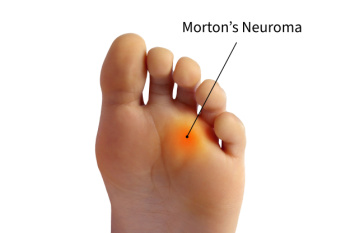
Morton's neuroma, a nerve disorder affecting the feet, is a condition that demands attention and understanding. This ailment is characterized by the thickening of tissues around the nerves that lead to the toes, and it often occurs between the third and fourth toes. Contrary to common belief, it is not a true neuroma, but rather a perineural fibrosis. The primary cause is the compression and irritation of the nerve, resulting in pain, tingling, and a sensation of a lump or pebble in the shoe. High-heeled shoes and tight footwear are frequently implicated in triggering or exacerbating Morton's neuroma. Understanding the symptoms, such as sharp, burning pain in the ball of the foot, is vital for early identification. Proper footwear, foot pads, and orthotics can offer relief, while severe cases may require medical intervention. By grasping the essential facts surrounding Morton's neuroma, individuals can take informed steps towards managing this foot condition. If you have pain between your toes or on the ball of your foot, it is suggested that you consult a podiatrist for a diagnosis and correct treatment methods.
Morton’s neuroma is a very uncomfortable condition to live with. If you think you have Morton’s neuroma, contact one of our doctors of New England Foot & Ankle . Our doctors will attend to all of your foot care needs and answer any of your related questions.
Morton’s Neuroma
Morton's neuroma is a painful foot condition that commonly affects the areas between the second and third or third and fourth toe, although other areas of the foot are also susceptible. Morton’s neuroma is caused by an inflamed nerve in the foot that is being squeezed and aggravated by surrounding bones.
What Increases the Chances of Having Morton’s Neuroma?
Ill-fitting high heels or shoes that add pressure to the toe or foot
Jogging, running or any sport that involves constant impact to the foot
Flat feet, bunions, and any other foot deformities
Morton’s neuroma is a very treatable condition. Orthotics and shoe inserts can often be used to alleviate the pain on the forefront of the feet. In more severe cases, corticosteroids can also be prescribed. In order to figure out the best treatment for your neuroma, it’s recommended to seek the care of a podiatrist who can diagnose your condition and provide different treatment options.
If you have any questions, please feel free to contact our offices located in Wakefield, MA,Nashuaand Derry, NH. We offer the newest diagnostic and treatment technologies for all your foot care needs.
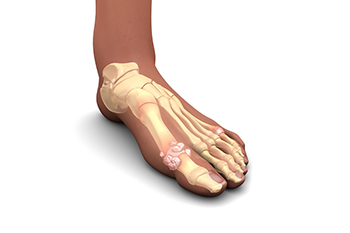
Gout, a form of inflammatory arthritis, develops when there is an excess buildup of uric acid in the body, leading to the formation of needle-like crystals in the joints. The primary cause of gout lies in the body's inability to metabolize uric acid efficiently, resulting in its accumulation. Dietary factors, such as consuming purine-rich foods like organ meats and certain seafood contribute to elevated uric acid levels. Additionally, genetic predispositions and underlying health conditions, such as kidney dysfunction, may increase the risk of gout. Diagnosis involves a comprehensive examination by podiatrists, considering symptoms like sudden, intense joint pain, swelling, and redness. Blood tests may be conducted to measure uric acid levels, and imaging studies such as X-rays or ultrasound can aid in visualizing joint damage. If you have been afflicted with gout, it is strongly suggested that you are under the care of a podiatrist who can help you to successfully manage this condition.
Gout is a painful condition that can be treated. If you are seeking treatment, contact one of our doctors from New England Foot & Ankle . Our doctors will treat your foot and ankle needs.
What Is Gout?
Gout is a form of arthritis that is characterized by sudden, severe attacks of pain, redness, and tenderness in the joints. The condition usually affects the joint at the base of the big toe. A gout attack can occur at any random time, such as the middle of the night while you are asleep.
Symptoms
Intense Joint Pain - Usually around the large joint of your big toe, and it most severe within the first four to twelve hours
Lingering Discomfort - Joint discomfort may last from a few days to a few weeks
Inflammation and Redness -Affected joints may become swollen, tender, warm and red
Limited Range of Motion - May experience a decrease in joint mobility
Risk Factors
Genetics - If family members have gout, you’re more likely to have it
Medications - Diuretic medications can raise uric acid levels
Gender/Age - Gout is more common in men until the age of 60. It is believed that estrogen protects women until that point
Diet - Eating red meat and shellfish increases your risk
Alcohol - Having more than two alcoholic drinks per day increases your risk
Obesity - Obese people are at a higher risk for gout
Prior to visiting your podiatrist to receive treatment for gout, there are a few things you should do beforehand. If you have gout you should write down your symptoms--including when they started and how often you experience them, important medical information you may have, and any questions you may have. Writing down these three things will help your podiatrist in assessing your specific situation so that he or she may provide the best route of treatment for you.
If you have any questions, please feel free to contact our offices located in Wakefield, MA,Nashuaand Derry, NH. We offer the newest diagnostic and treatment technologies for all your foot care needs.
Foot or ankle pain can negatively affect your day-to-day life and can occur due to several different conditions. Pain can also be an indicator of a more serious underlying condition, which is why you should seek professional help as soon as you notice any abnormalities in your feet.
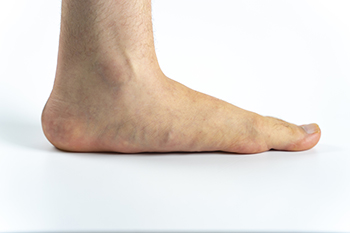
Flat feet, a condition where the arches of the feet touch or nearly touch the ground, can be a source of discomfort and may affect daily activities. Understanding the causes and symptoms is vital for those grappling with this common foot ailment. Often, flat feet are hereditary, with genetic factors contributing to the lack of arch development. Tendon or ligament issues, arising from injury or overuse, can also lead to flat feet. Rheumatoid arthritis or conditions impacting the nervous system may alter foot structure, causing the arches to collapse. Symptoms include pain or discomfort along the inner side of the ankle, swelling on the bottom of the feet, and difficulty in standing on tiptoes. Recognizing these signs prompts individuals to seek appropriate interventions, such as wearing supportive footwear or orthotic devices. If you have flat feet, it is suggested that you consult a podiatrist who can guide you toward effective relief options.
Flatfoot is a condition many people suffer from. If you have flat feet, contact one of our doctors from New England Foot & Ankle . Our doctors will treat your foot and ankle needs.
What Are Flat Feet?
Flatfoot is a condition in which the arch of the foot is depressed and the sole of the foot is almost completely in contact with the ground. About 20-30% of the population generally has flat feet because their arches never formed during growth.
Conditions & Problems:
Having flat feet makes it difficult to run or walk because of the stress placed on the ankles.
Alignment – The general alignment of your legs can be disrupted, because the ankles move inward which can cause major discomfort.
Knees – If you have complications with your knees, flat feet can be a contributor to arthritis in that area.
Symptoms
Pain around the heel or arch area
Trouble standing on the tip toe
Swelling around the inside of the ankle
Flat look to one or both feet
Having your shoes feel uneven when worn
Treatment
If you are experiencing pain and stress on the foot you may weaken the posterior tibial tendon, which runs around the inside of the ankle.
If you have any questions please feel free to contact our offices located in Wakefield, MA,Nashuaand Derry, NH. We offer the newest diagnostic and treatment technologies for all your foot and ankle needs.
Plantar fasciitis is prevalent in manufacturing environments, with several factors influencing its occurrence. These can include forefoot pronation during physical examination, high metatarsal pressure in gait assessments, and prolonged standing on hard surfaces. The rotation of footwear during the workweek appears to reduce the likelihood of developing plantar fasciitis. Using shoe orthoses with medial longitudinal arch and metatarsal pads can serve as a preventive or treatment approach. Implementing workstations that reduce the time spent walking or standing on hard surfaces, such as offering cushioning mats or alternating sitting and standing postures, may help lower the risk of plantar fasciitis. If you work in manufacturing and have developed heel pain, it is suggested that you schedule an appointment with a podiatrist for a proper diagnosis, treatment, and additional preventative advice.
Plantar fasciitis is a common foot condition that is often caused by a strain injury. If you are experiencing heel pain or symptoms of plantar fasciitis, contact one of our doctors from New England Foot & Ankle . Our doctors can provide the care you need to keep you pain-free and on your feet.
What Is Plantar Fasciitis?
Plantar fasciitis is one of the most common causes of heel pain. The plantar fascia is a ligament that connects your heel to the front of your foot. When this ligament becomes inflamed, plantar fasciitis is the result. If you have plantar fasciitis you will have a stabbing pain that usually occurs with your first steps in the morning. As the day progresses and you walk around more, this pain will start to disappear, but it will return after long periods of standing or sitting.
What Causes Plantar Fasciitis?
Excessive running
Having high arches in your feet
Other foot issues such as flat feet
Pregnancy (due to the sudden weight gain)
Being on your feet very often
There are some risk factors that may make you more likely to develop plantar fasciitis compared to others. The condition most commonly affects adults between the ages of 40 and 60. It also tends to affect people who are obese because the extra pounds result in extra stress being placed on the plantar fascia.
Prevention
Take good care of your feet – Wear shoes that have good arch support and heel cushioning.
Maintain a healthy weight
If you are a runner, alternate running with other sports that won’t cause heel pain
There are a variety of treatment options available for plantar fasciitis along with the pain that accompanies it. Additionally, physical therapy is a very important component in the treatment process. It is important that you meet with your podiatrist to determine which treatment option is best for you.
If you have any questions, please feel free to contact our offices located in Wakefield, MA,Nashuaand Derry, NH. We offer the newest diagnostic and treatment technologies for all your foot care needs.
The ankle, which is the junction of the tibia, fibula, and talus bones, is susceptible to fractures that stem from the pounding associated with activities such as running and jumping. Symptoms of an ankle fracture are often similar to those of severe sprains. Individuals may report immediate, intense pain spanning from the foot to the knee, as well as localized swelling, bruising, tenderness, and difficulty in bearing weight. Walking can become painful or impossible. Distinguishing ankle fractures from severe sprains can be complicated. For that reason, diagnostic imaging tests are needed. X-rays, encompassing anteroposterior, lateral, and mortise views play a pivotal role in the diagnostic process. It is also essential to look for secondary fractures, as the presence of one may indicate the possibility of others. In cases requiring a deeper understanding, CT and MRI scans may prove invaluable, particularly for detecting talar fractures and assessing ligament injuries. Early recognition of ankle fracture symptoms and timely medical intervention help to safeguard both immediate and long-term ankle joint health. If you have severely injured your ankle, it is suggested that you schedule an emergency appointment with a podiatrist for a thorough evaluation and precise diagnosis before treatment can begin.
Broken ankles need immediate treatment. If you are seeking treatment, contact one of our doctors from New England Foot & Ankle . Our doctors can provide the care you need to keep you pain-free and on your feet.
Broken Ankles A broken ankle is experienced when a person fractures their tibia or fibula in the lower leg and ankle area. Both of these bones are attached at the bottom of the leg and combine to form what we know to be our ankle.
When a physician is referring to a break of the ankle, he or she is usually referring to a break in the area where the tibia and fibula are joined to create our ankle joint. Ankles are more prone to fractures because the ankle is an area that suffers a lot of pressure and stress. There are some obvious signs when a person experiences a fractured ankle, and the following symptoms may be present.
Symptoms of a Fractured Ankle
Excessive pain when the area is touched or when any pressure is placed on the ankle
Swelling around the area
Bruising of the area
Area appears to be deformed
If you suspect an ankle fracture, it is recommended to seek treatment as soon as possible. The sooner you have your podiatrist diagnose the fracture, the quicker you’ll be on the way towards recovery.
If you have any questions, please feel free to contact our offices located in Wakefield, MA,Nashuaand Derry, NH. We offer the newest diagnostic and treatment technologies for all your foot care needs.