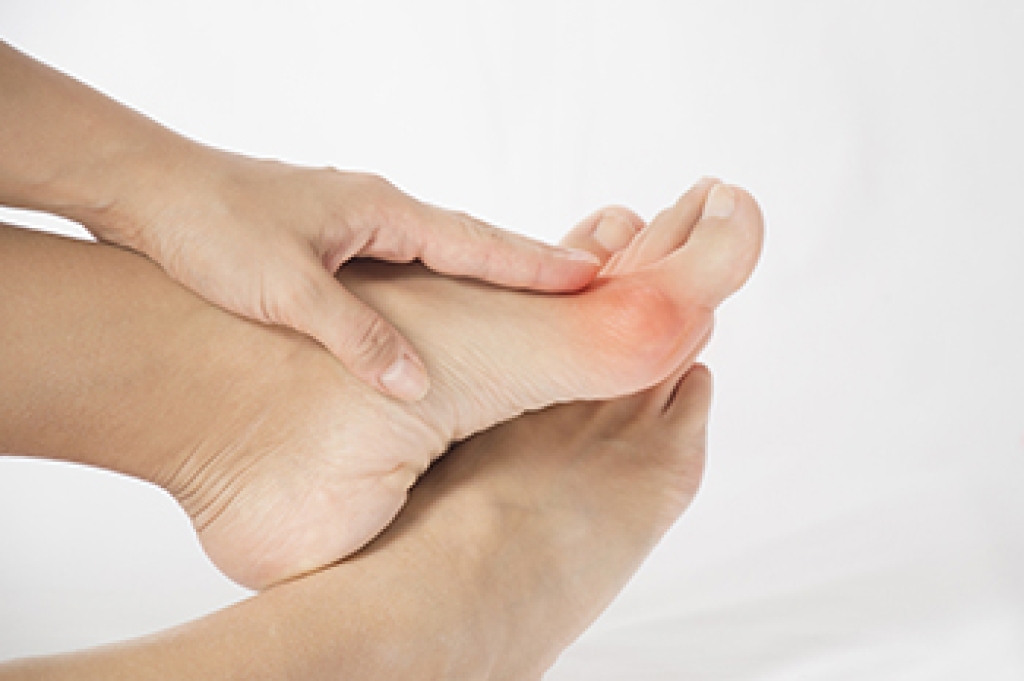
Poor Circulation in the Legs and Feet

Poor circulation in the legs and feet, often due to peripheral artery disease, or PAD, occurs when narrowed arteries reduce blood flow. Symptoms include coldness, numbness, tingling, cramping, or pain in the legs or feet, particularly while walking. The skin may appear pale or bluish, and slow-healing wounds or sores can develop on the lower extremities. Diagnosis involves a physical exam, checking pulses in the feet, and tests to measure blood pressure differences between the arms and legs. Ultrasound or angiography may also be used to evaluate blood flow. Treatment aims to improve circulation through lifestyle changes like exercise and managing conditions like diabetes and high blood pressure. Medications may be prescribed, and in severe cases, procedures to open or bypass blocked arteries are necessary. If you have symptoms of poor circulation in your feet, it is suggested that you visit a podiatrist who can help manage symptoms and prevent complications like foot ulcers or infections.

While poor circulation itself isn’t a condition; it is a symptom of another underlying health condition you may have. If you have any concerns with poor circulation in your feet contact one of our doctors of New England Foot & Ankle . Our doctors will treat your foot and ankle needs.

Poor Circulation in the Feet

Peripheral artery disease (PAD) can potentially lead to poor circulation in the lower extremities. PAD is a condition that causes the blood vessels and arteries to narrow. In a linked condition called atherosclerosis, the arteries stiffen up due to a buildup of plaque in the arteries and blood vessels. These two conditions can cause a decrease in the amount of blood that flows to your extremities, therefore resulting in pain.

Symptoms

Some of the most common symptoms of poor circulation are:

  • Numbness
  • Tingling
  • Throbbing or stinging pain in limbs
  • Pain
  • Muscle Cramps

Treatment for poor circulation often depends on the underlying condition that causes it. Methods for treatment may include insulin for diabetes, special exercise programs, surgery for varicose veins, or compression socks for swollen legs.

As always, see a podiatrist as he or she will assist in finding a regimen that suits you. A podiatrist can also prescribe you any needed medication. 

If you have any questions, please feel free to contact our offices located in Wakefield, MA, Nashua and Derry, NH . We offer the newest diagnostic and treatment technologies for all your foot care needs.
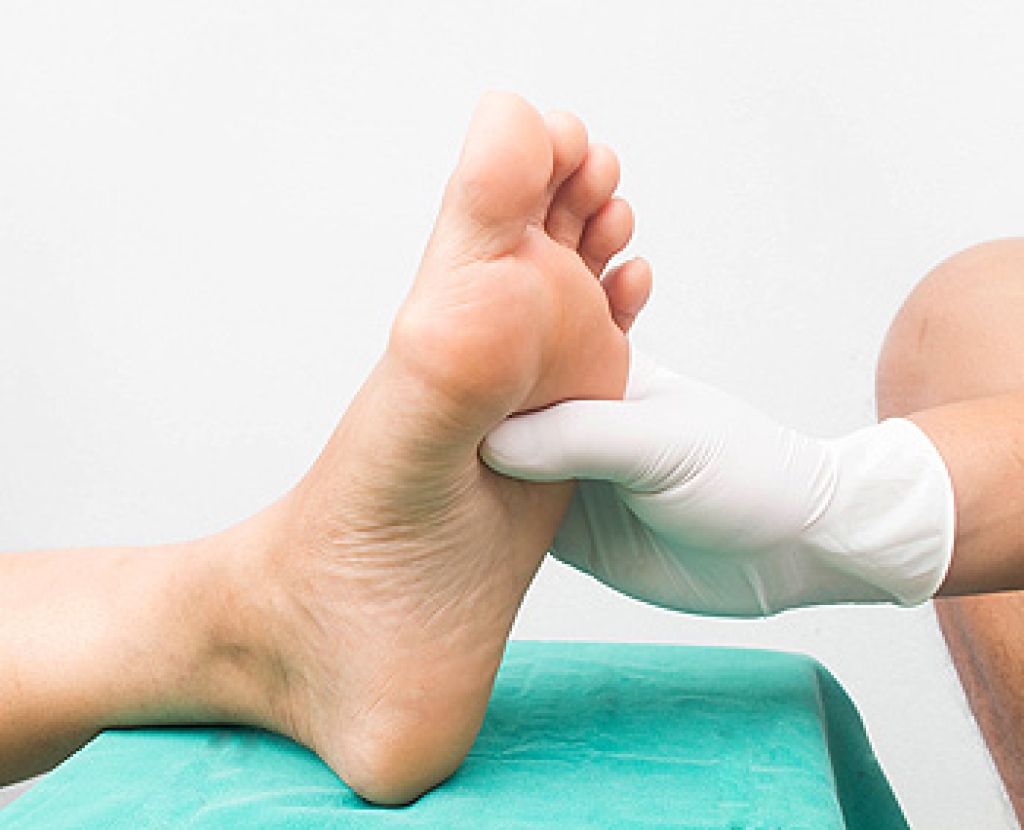

Read more about Causes Symptoms and Treatment for Poor Circulation in the Feet

Gout Pain Can Be Managed

Gout is a painful, inflammatory form of arthritis. Those affected will typically feel an intense stiffness in the joints of their feet, particularly in the big toe. Schedule a visit to learn about how gout can be managed and treated.

Swollen Feet During Pregnancy

Swollen feet are a common discomfort during pregnancy, often caused by the body retaining extra fluid and pressure from the growing uterus. This extra pressure can affect blood flow, leading to fluid buildup in the lower extremities. Swelling of the feet and ankles is typically more noticeable later in the day or during advanced stages of pregnancy. While this is usually harmless, it can become uncomfortable and limit mobility. It is important to monitor sudden increases in swelling, as they may be a sign of a more serious condition, such as pre-eclampsia, which requires immediate medical attention. A podiatrist can assess your feet, offer guidance on managing discomfort, and suggest ways to alleviate pressure on the feet and ankles. This medically trained foot doctor can also evaluate whether the swelling is part of a typical pregnancy experience or if further intervention is necessary. If pregnancy is causing swollen feet and ankles, it is suggested that you make an appointment with a podiatrist for an exam, diagnosis, and treatment options.

Pregnant women with swollen feet can be treated with a variety of different methods that are readily available. For more information about other cures for swollen feet during pregnancy, consult with one of our doctors from New England Foot & Ankle . Our doctors will attend to all of your foot and ankle needs.

What Foot Problems Can Arise During Pregnancy?

One problem that can occur is overpronation, which occurs when the arch of the foot flattens and tends to roll inward.  This can cause pain and discomfort in your heels while you’re walking or even just standing up, trying to support your baby.  

Another problem is edema, or swelling in the extremities. This often affects the feet during pregnancy but tends to occur in the later stages. 

How Can I Keep My Feet Healthy During Pregnancy?

  • Wearing orthotics can provide extra support for the feet and help distribute weight evenly
  • Minimize the amount of time spent walking barefoot
  • Wear shoes with good arch support
  • Wear shoes that allow for good circulation to the feet
  • Elevate feet if you experience swelling
  • Massage your feet
  • Get regular, light exercise, such as walking, to promote blood circulation to the feet

If you have any questions, please feel free to contact our offices located in Wakefield, MA, Nashua and Derry, NH . We offer the newest diagnostic and treatment technologies for all your foot care needs.

Read more about Foot Care for Pregnant Women

Orthotics for Rigid Big Toe

Shoe orthotics are an important non-surgical treatment for hallux rigidus, a condition marked by a stiff, painful big toe joint. Before considering surgery, it is wise to explore orthotic options, as they can significantly alleviate symptoms and improve mobility. Custom-made orthotics help by redistributing pressure away from the affected joint, providing better arch support, and reducing pain during movement. They work by cushioning the foot and correcting abnormal gait patterns that worsen the condition. If you have a painful and stiff big toe, it is suggested that you consult a podiatrist to ensure that the orthotics are tailored to your specific needs.

If you are having discomfort in your feet and would like to try orthotics, contact one of our doctors from New England Foot & Ankle . Our doctors can provide the care you need to keep you pain-free and on your feet.

What Are Orthotics?

Orthotics are inserts you can place into your shoes to help with a variety of foot problems such as flat feet or foot pain. Orthotics provide relief and comfort for minor foot and heel pain but can’t correct serious biomechanical problems in your feet.

Over-the-Counter Inserts

Orthotics come in a wide variety of over-the-counter inserts that are used to treat foot pain, heel pain, and minor problems. For example, arch supports can be inserted into your shoes to help correct overarched or flat feet, while gel insoles are often used because they provide comfort and relief from foot and heel pain by alleviating pressure.

Prescription Orthotics

If over-the-counter inserts don’t work for you or if you have a more severe foot concern, it is possible to have your podiatrist prescribe custom orthotics. These high-quality inserts are designed to treat problems such as abnormal motion, plantar fasciitis, and severe forms of heel pain. They can even be used to help patients suffering from diabetes by treating foot ulcers and painful calluses and are usually molded to your feet individually, which allows them to provide full support and comfort.

If you are experiencing minor to severe foot or heel pain, it’s recommended to speak with your podiatrist about the possibilities of using orthotics. A podiatrist can determine which type of orthotic is right for you and allow you to take the first steps towards being pain-free.

If you have any questions, please feel free to contact our offices located in Wakefield, MA, Nashua and Derry, NH . We offer the newest diagnostic and treatment technologies for all your foot care needs.

Read more about Foot Orthotics

Non-Diabetic Foot Ulcers

Non-diabetic foot ulcers are open sores or wounds that occur on the feet, typically due to poor circulation, pressure, or injury. Unlike diabetic ulcers, these wounds are not directly caused by high blood sugar levels, but can still lead to severe complications if left untreated. These ulcers often develop from pressure points on the feet, especially in individuals with limited mobility or poor blood flow. Risk factors include age, obesity, peripheral artery disease, and wearing ill-fitting shoes. Recognizing a foot ulcer early is important. Look for persistent redness, swelling, and an open sore that does not heal. To prevent these ulcers, regularly inspect your feet, wear appropriate footwear, and manage any underlying conditions that affect circulation. Treatment involves cleaning the wound, relieving pressure with specialized footwear, and possibly using topical medications. If you notice you have developed a foot ulcer, it is suggested that you visit a podiatrist who can assess the ulcer's severity, provide targeted treatments, and suggest preventive strategies to avoid recurrence, ensuring optimal foot health.

Wound care is an important part in dealing with diabetes. If you have diabetes and a foot wound or would like more information about wound care for diabetics, consult with one of our doctors from New England Foot & Ankle . Our doctors will assess your condition and provide you with quality foot and ankle treatment.

What Is Wound Care?

Wound care is the practice of taking proper care of a wound. This can range from the smallest to the largest of wounds. While everyone can benefit from proper wound care, it is much more important for diabetics. Diabetics often suffer from poor blood circulation which causes wounds to heal much slower than they would in a non-diabetic. 

What Is the Importance of Wound Care?

While it may not seem apparent with small ulcers on the foot, for diabetics, any size ulcer can become infected. Diabetics often also suffer from neuropathy, or nerve loss. This means they might not even feel when they have an ulcer on their foot. If the wound becomes severely infected, amputation may be necessary. Therefore, it is of the upmost importance to properly care for any and all foot wounds.

How to Care for Wounds

The best way to care for foot wounds is to prevent them. For diabetics, this means daily inspections of the feet for any signs of abnormalities or ulcers. It is also recommended to see a podiatrist several times a year for a foot inspection. If you do have an ulcer, run the wound under water to clear dirt from the wound; then apply antibiotic ointment to the wound and cover with a bandage. Bandages should be changed daily and keeping pressure off the wound is smart. It is advised to see a podiatrist, who can keep an eye on it.

If you have any questions please contact our offices located in Wakefield, MA, Nashua and Derry, NH . We offer the newest diagnostic and treatment technologies for all your foot and ankle needs.

Read more about Wound Care
scroll to top