Managing Bunions

Bunions are a common foot condition where the tip of the big toe gradually shifts toward the smaller toes, creating a visible bump at the side of the foot. They are often caused by inherited foot structure,  wearing improper footwear, arthritis, or repeated pressure on the joint. A bunion may look red, swollen, or enlarged and can feel tender, stiff, or painful, especially when walking or wearing narrow shoes. Some people experience burning sensations or limited toe movement. A podiatrist can help from the start by evaluating foot structure, gait, and joint alignment, sometimes using imaging to confirm the diagnosis. Non-surgical treatments may include footwear recommendations, padding, custom orthotics, and targeted exercises to reduce strain and improve comfort. Early management can slow progression, ease pain, and improve daily mobility. If you have a painful bunion, it is suggested that you schedule an appointment with a podiatrist for effective relief and treatment solutions.

If you are suffering from bunions, contact one of our doctors of New England Foot & Ankle . Our doctors can provide the care you need to keep you pain-free and on your feet.

What Is a Bunion?

A bunion is formed of swollen tissue or an enlargement of boney growth, usually located at the base joint of the toe that connects to the foot. The swelling occurs due to the bones in the big toe shifting inward, which impacts the other toes of the foot. This causes the area around the base of the big toe to become inflamed and painful.

Why Do Bunions Form?

Genetics – Susceptibility to bunions are often hereditary

Stress on the feet – Poorly fitted and uncomfortable footwear that places stress on feet, such as heels, can worsen existing bunions

How Are Bunions Diagnosed?

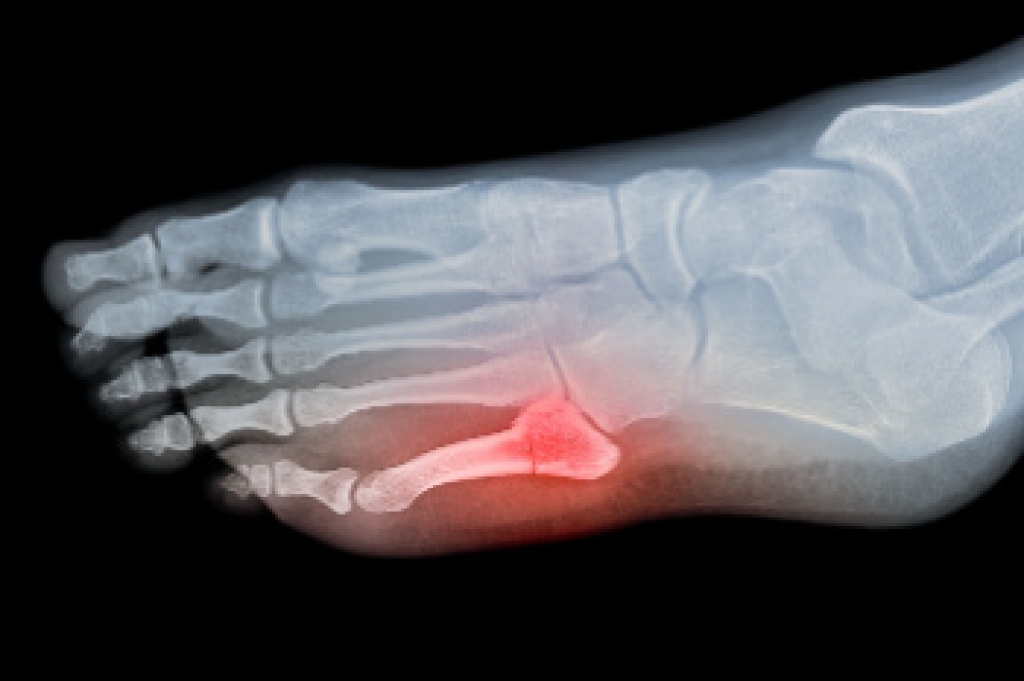
Podiatrists often perform two tests – blood tests and x-rays – when trying to diagnose bunions, especially in the early stages of development. Blood tests help determine if the foot pain is being caused by something else, such as arthritis, while x-rays provide a clear picture of your bone structure to your provider.

How Are Bunions Treated?

  • Refrain from wearing heels or similar shoes that cause discomfort
  • Select wider shoes that can provide more comfort and reduce pain
  • Anti-inflammatory and pain management drugs
  • Orthotics or foot inserts
  • Surgery

If you have any questions, please feel free to contact our offices located in Wakefield, MA, Nashua and Derry, NH . We offer the newest diagnostic and treatment technologies for all your foot care needs.

Read more about Bunions

Essential Foot Care Tips for Diabetic Patients

Foot care is especially important for individuals with diabetes because reduced sensation and poor circulation can increase the risk of complications. Examining your feet daily helps you notice cuts, redness, swelling, or changes that may need attention. Caring for toenails by trimming them straight across and keeping the skin clean and moisturized supports overall foot health. Wearing properly fitting shoes protects the feet from pressure and friction that can lead to sores or ulcers. A podiatrist can provide regular evaluations, manage toenail and skin concerns, and address issues before they become serious. If you have diabetes, it is suggested that you make foot care a daily priority and seek podiatric support to keep your feet healthy, comfortable, and protected.

Diabetic foot care is important in preventing foot ailments such as ulcers. If you are suffering from diabetes or have any other concerns about your feet, contact one of our doctors from New England Foot & Ankle . Our doctors can provide the care you need to keep you pain-free and on your feet.

Diabetic Foot Care

Diabetes affects millions of people every year. The condition can damage blood vessels in many parts of the body, especially the feet. Because of this, taking care of your feet is essential if you have diabetes, and having a podiatrist help monitor your foot health is highly recommended.

The Importance of Caring for Your Feet

  • Routinely inspect your feet for bruises or sores.
  • Wear socks that fit your feet comfortably.
  • Wear comfortable shoes that provide adequate support.

Patients with diabetes should have their doctor monitor their blood levels, as blood sugar levels play such a huge role in diabetic care. Monitoring these levels on a regular basis is highly advised.

It is always best to inform your healthcare professional of any concerns you may have regarding your feet, especially for diabetic patients. Early treatment and routine foot examinations are keys to maintaining proper health, especially because severe complications can arise if proper treatment is not applied.

If you have any questions, please feel free to contact our offices located in Wakefield, MA, Nashua and Derry, NH . We offer the newest diagnostic and treatment technologies for all your foot care needs.

Read more about Diabetic Foot Care

Essential Foot Care Tips for Diabetic Patients

Foot care is especially important for individuals with diabetes because reduced sensation and poor circulation can increase the risk of complications. Examining your feet daily helps you notice cuts, redness, swelling, or changes that may need attention. Caring for toenails by trimming them straight across and keeping the skin clean and moisturized supports overall foot health. Wearing properly fitting shoes protects the feet from pressure and friction that can lead to sores or ulcers. A podiatrist can provide regular evaluations, manage toenail and skin concerns, and address issues before they become serious. If you have diabetes, it is suggested that you make foot care a daily priority and seek podiatric support to keep your feet healthy, comfortable, and protected.

Diabetic foot care is important in preventing foot ailments such as ulcers. If you are suffering from diabetes or have any other concerns about your feet, contact one of our doctors from New England Foot & Ankle . Our doctors can provide the care you need to keep you pain-free and on your feet.

Diabetic Foot Care

Diabetes affects millions of people every year. The condition can damage blood vessels in many parts of the body, especially the feet. Because of this, taking care of your feet is essential if you have diabetes, and having a podiatrist help monitor your foot health is highly recommended.

The Importance of Caring for Your Feet

  • Routinely inspect your feet for bruises or sores.
  • Wear socks that fit your feet comfortably.
  • Wear comfortable shoes that provide adequate support.

Patients with diabetes should have their doctor monitor their blood levels, as blood sugar levels play such a huge role in diabetic care. Monitoring these levels on a regular basis is highly advised.

It is always best to inform your healthcare professional of any concerns you may have regarding your feet, especially for diabetic patients. Early treatment and routine foot examinations are keys to maintaining proper health, especially because severe complications can arise if proper treatment is not applied.

If you have any questions, please feel free to contact our offices located in Wakefield, MA, Nashua and Derry, NH . We offer the newest diagnostic and treatment technologies for all your foot care needs.

Read more about Diabetic Foot Care

Get Proper Treatment for Ankle Injuries

If you're experiencing ankle pain, you may be suffering from an ankle injury. Sprains, fractures, Achilles tendonitis, and Achilles tendon ruptures are just some examples of potential ankle injuries. Don't wait for care for an ankle injury, as it may worsen over time. We can help!

Get Proper Treatment for Ankle Injuries

If you're experiencing ankle pain, you may be suffering from an ankle injury. Sprains, fractures, Achilles tendonitis, and Achilles tendon ruptures are just some examples of potential ankle injuries. Don't wait for care for an ankle injury, as it may worsen over time. We can help!

scroll to top