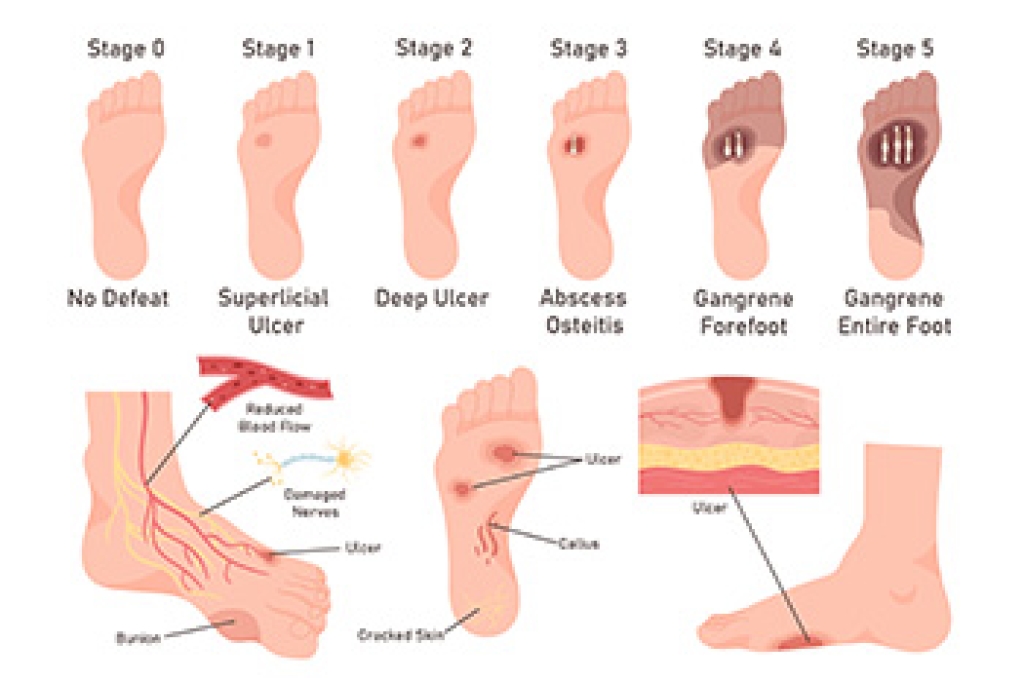
How Everyday Injuries Can Lead to Diabetic Foot Ulcers

Foot ulcers are a serious concern for people living with diabetes. Many of these wounds begin with a simple injury to the foot. A small cut, blister, burn, or pressure from wearing tight shoes can damage the skin. Because diabetes can reduce feeling in the feet, a person may not notice the injury right away. Continued walking or pressure on the area can cause the skin to break down and develop into an open sore. Sharp objects, rubbing from footwear, or repeated stress during daily activity can all trigger these wounds. Once the skin is damaged, healing may be slow, which increases the risk of infection and more serious complications. Daily foot checks, supportive footwear, and quick care for even minor injuries can help prevent problems. If you have diabetes and notice any sore or redness, it is suggested that you visit a podiatrist for prompt evaluation and appropriate treatment.

Diabetic foot care is important in preventing foot ailments such as ulcers. If you are suffering from diabetes or have any other concerns about your feet, contact one of our doctors from New England Foot & Ankle . Our doctors can provide the care you need to keep you pain-free and on your feet.

Diabetic Foot Care

Diabetes affects millions of people every year. The condition can damage blood vessels in many parts of the body, especially the feet. Because of this, taking care of your feet is essential if you have diabetes, and having a podiatrist help monitor your foot health is highly recommended.

The Importance of Caring for Your Feet

  • Routinely inspect your feet for bruises or sores.
  • Wear socks that fit your feet comfortably.
  • Wear comfortable shoes that provide adequate support.

Patients with diabetes should have their doctor monitor their blood levels, as blood sugar levels play such a huge role in diabetic care. Monitoring these levels on a regular basis is highly advised.

It is always best to inform your healthcare professional of any concerns you may have regarding your feet, especially for diabetic patients. Early treatment and routine foot examinations are keys to maintaining proper health, especially because severe complications can arise if proper treatment is not applied.

If you have any questions, please feel free to contact our offices located in Wakefield, MA, Nashua and Derry, NH . We offer the newest diagnostic and treatment technologies for all your foot care needs.

Read more about Diabetic Foot Conditions

Rheumatoid Arthritis and the Feet

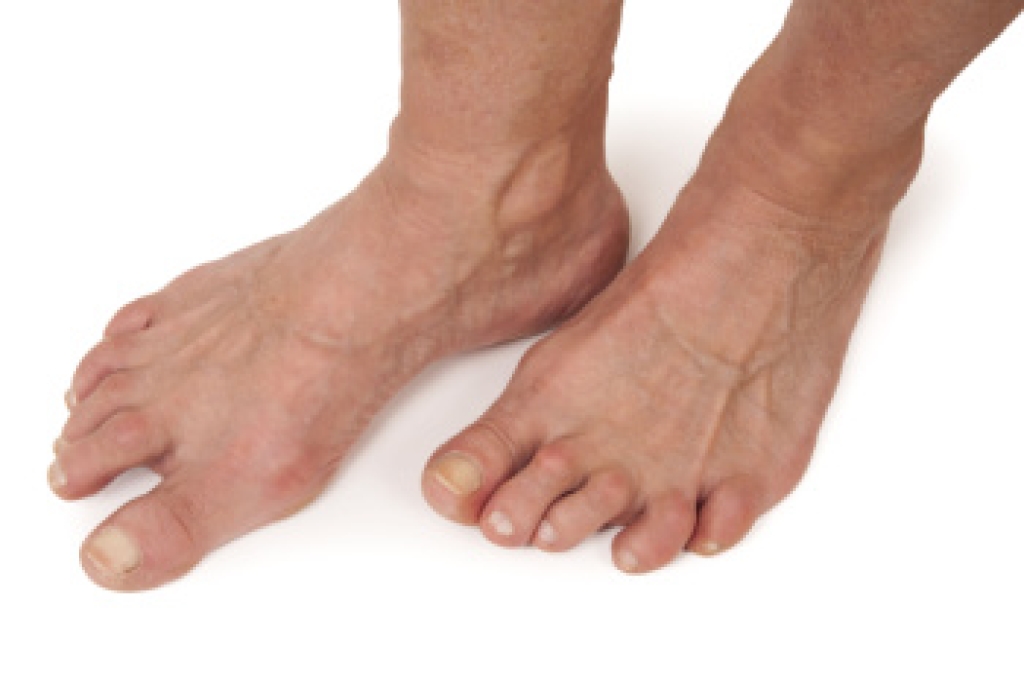
Rheumatoid arthritis, or RA, is a chronic autoimmune inflammatory joint condition in which the immune system mistakenly attacks healthy joint tissues. When this disorder affects the feet, it can lead to progressive inflammation that damages joints, ligaments, and surrounding structures. Symptoms include persistent pain, swelling, stiffness, and tenderness within the forefoot and toes. Over time, visible changes in appearance may occur as bone damage develops and toes begin curling or shifting from their natural position. These structural changes may alter foot shape and may affect shoe size or comfort when walking. Risk factors include genetic susceptibility and autoimmune disease patterns. A podiatrist can monitor joint health, reduce pressure on affected areas, and recommend supportive care. If you have symptoms of RA in your feet, it is suggested that you consult a podiatrist who can help you to manage this condition.

Because RA affects more than just your joints, including the joints in your feet and ankles, it is important to seek early diagnosis from your podiatrist if you feel like the pain in your feet might be caused by RA. For more information, contact one of our doctors of New England Foot & Ankle . Our doctors will assist you with all of your podiatric concerns.

What Is Rheumatoid Arthritis?

Rheumatoid Arthritis (RA) is an autoimmune disorder in which the body’s own immune system attacks the membranes surrounding the joints. Inflammation of the lining and eventually the destruction of the joint’s cartilage and bone occur, causing severe pain and immobility.

Rheumatoid Arthritis of the Feet

Although RA usually attacks multiple bones and joints throughout the entire body, almost 90 percent of cases result in pain in the foot or ankle area.

Symptoms

  • Swelling and pain in the feet
  • Stiffness in the feet
  • Pain on the ball or sole of feet
  • Joint shift and deformation

Diagnosis

Quick diagnosis of RA in the feet is important so that the podiatrist can treat the area effectively. Your doctor will ask you about your medical history, occupation, and lifestyle to determine the origin of the condition. Rheumatoid Factor tests help to determine if someone is affected by the disease.

If you have any questions, please feel free to contact our offices located in Wakefield, MA, Nashua and Derry, NH . We offer the newest diagnostic and treatment technologies for all your foot care needs.
Read more about Rheumatoid Arthritis in the Feet

Formation and Treatment of Seed Corns

Seed corns are tiny, round areas of thickened skin that form on the bottom of the foot due to repeated pressure and friction. The name seed corn refers to small, well-defined spots that often appear in clusters. They are commonly linked to dry skin, tight shoes, and foot deformities like bunions or hammertoes, which change how weight is distributed across the sole. Unlike calluses, which are usually larger and spread out, seed corns stay small and circular. They can also resemble plantar warts, but warts often interrupt normal skin lines and may contain small dark dots. Seed corns can become painful when located on weight-bearing areas like the ball of the foot. A podiatrist can carefully examine the lesion, confirm the diagnosis, safely reduce thickened skin, and address underlying pressure points with footwear guidance or custom orthotics. If you have a painful corn on your foot, it is suggested that you make an appointment with a podiatrist for an exam, diagnosis, and treatment.

If you have any concerns regarding your feet and ankles, contact one of our doctors of New England Foot & Ankle . Our doctors will treat your foot and ankle needs.

Corns: What Are They? and How Do You Get Rid of Them?
Corns can be described as areas of the skin that have thickened to the point of becoming painful or irritating. They are often layers and layers of the skin that have become dry and rough, and are normally smaller than calluses.

Ways to Prevent Corns
There are many ways to get rid of painful corns such as wearing:

  • Well-fitting socks
  • Comfortable shoes that are not tight around your foot
  • Shoes that offer support

Treating Corns
Treatment of corns involves removing the dead skin that has built up in the specific area of the foot. Consult with Our doctors to determine the best treatment option for your case of corns.

If you have any questions, please feel free to contact our offices located in Wakefield, MA, Nashua and Derry, NH . We offer the newest diagnostic and treatment technologies for all your foot care needs.

Read more about Corns: What Are They, and How Do You Get Rid of Them

Symptoms of Plantar Fasciitis

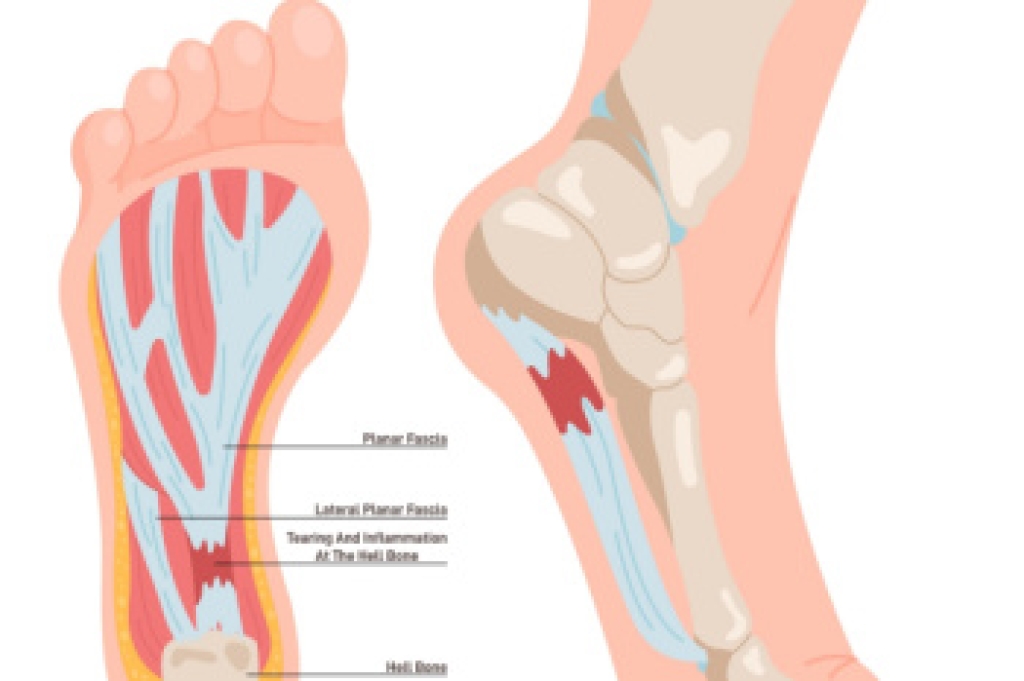
Plantar fasciitis is an inflammatory condition involving the plantar fascia, the thick band of tissue that supports the arch and connects the heel to the toes. It is the leading cause of heel pain, and commonly presents as a sharp stabbing pain in the heel or arch, especially with the first steps in the morning or after periods of rest. Discomfort may lessen with movement, but often returns after prolonged standing or activity. Risk factors include flat feet, high arches, obesity, wearing improper footwear, and repetitive stress from running or standing for long hours. A podiatrist can provide stretching guidance, custom orthotics, and targeted treatment to relieve pain. If you have heel pain, it is suggested that you consult a podiatrist who can accurately diagnose and treat plantar fasciitis.

Plantar fasciitis can be very painful and inconvenient. If you are experiencing heel pain or symptoms of plantar fasciitis, contact one of our doctors  from New England Foot & Ankle . Our doctors can provide the care you need to keep you pain-free and on your feet.

What Is Plantar Fasciitis?

Plantar fasciitis is the inflammation of the thick band of tissue that runs along the bottom of your foot, known as the plantar fascia, and causes mild to severe heel pain.

What Causes Plantar Fasciitis?

  • Excessive running
  • Non-supportive shoes
  • Overpronation
  • Repeated stretching and tearing of the plantar fascia

How Can It Be Treated?

  • Conservative measures – anti-inflammatories, ice packs, stretching exercises, physical therapy, orthotic devices
  • Shockwave therapy – sound waves are sent to the affected area to facilitate healing and are usually used for chronic cases of plantar fasciitis
  • Surgery – usually only used as a last resort when all else fails. The plantar fascia can be surgically detached from the heel

While very treatable, plantar fasciitis is definitely not something that should be ignored. Especially in severe cases, speaking to your doctor right away is highly recommended to avoid complications and severe heel pain. Your podiatrist can work with you to provide the appropriate treatment options tailored to your condition.

If you have any questions, please feel free to contact our offices located in Wakefield, MA, Nashua and Derry, NH . We offer the newest diagnostic and treatment technologies for all your foot care needs.

Read more about Plantar Fasciitis

We Can Treat Your Foot or Ankle Pain

Foot or ankle pain can negatively affect your day-to-day life and can occur due to several different conditions. Pain can also be an indicator of a more serious underlying condition, which is why you should seek professional help as soon as you notice any abnormalities in your feet.

scroll to top